Written by Turnkey Siding
Key Takeaways
- The EIFS vs stucco question matters on a Metairie home because the two finishes can look almost identical from the street while being built in very different ways.
- EIFS is foam insulation board covered by a thin reinforced coating. Traditional stucco is cement plaster, usually applied in 3 coats over metal lath.
- In Metairie’s humidity and heavy rain, the question that matters most is whether water that gets behind the finish has a way back out.
- A chipped corner or a small inspection opening usually settles which system you have. A moisture inspection tells you how the wall is actually doing.
- Turnkey Siding installs both traditional 3-coat stucco and EIFS across the metro. Free estimates at 504-882-9704.
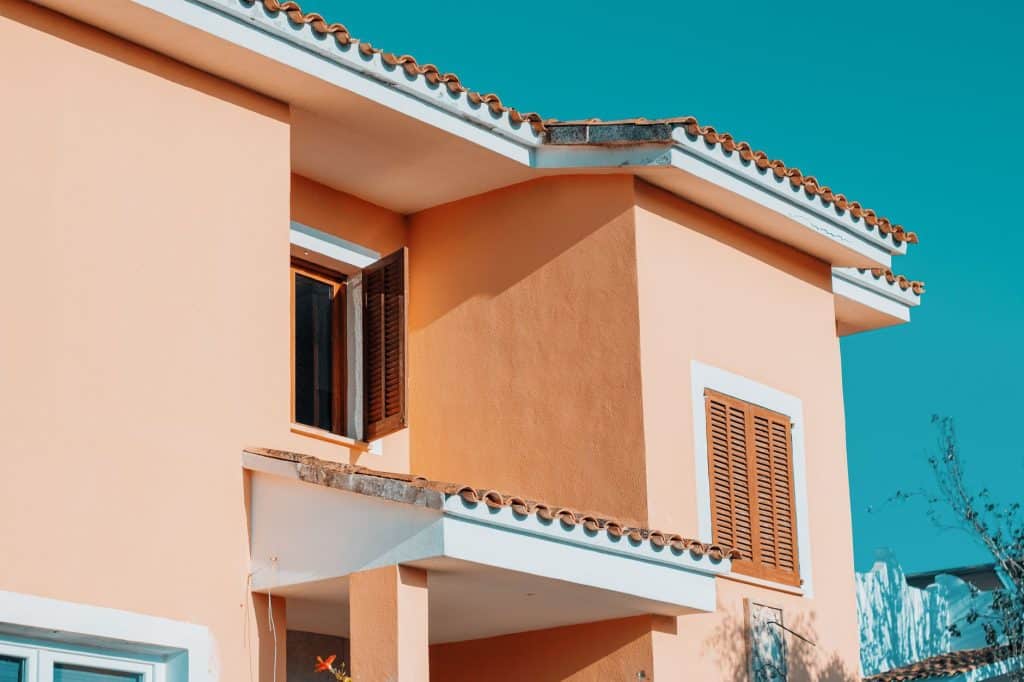
EIFS vs Stucco: Which One Is on Your Metairie Home?
Quick Answer: EIFS (exterior insulation and finish system, often called synthetic stucco) is rigid foam insulation attached to the wall and covered with a mesh-reinforced base coat and an acrylic finish. Traditional stucco is a portland cement plaster built up in coats over metal lath. On a Metairie house the two can share the same color and texture, so the only reliable way to tell them apart is to see what sits under the finish. Knowing which one you have changes how cracks get repaired and what a replacement quote needs to include.
Learning which system you have only after a crack appears, or after a home inspection report uses the word “EIFS,” puts you behind. It’s better to know sooner. If you’re still deciding between stucco and lap siding for a whole house, our stucco vs siding comparison for New Orleans homes covers that choice. This post is about identifying what’s already on your walls and what it means.
How Is EIFS Built?
EIFS starts with sheets of rigid insulation board attached to the sheathing with adhesive or mechanical fasteners. Dryvit, one of the system’s manufacturers, describes the full assembly: a fluid-applied air and water-resistive barrier goes on the wall first, then the insulation board, then a cementitious acrylic base coat with fiberglass mesh embedded in it, and last an acrylic finish coat that carries the color and texture.
The system was developed in Germany after World War II, and its main selling point has always been continuous insulation on the outside of the wall. The finish layer is thin, though, and the foam behind it is much softer than cement. That makes detailing at joints and openings the part that decides how well an EIFS wall holds up.
What About EIFS With Drainage?
The International Residential Code, which Louisiana adopts with state amendments, calls for EIFS with drainage on wall assemblies other than concrete or masonry. Under Section R703.9.2, that system needs an average drainage efficiency of at least 90 percent when tested to ASTM E2273, and it has to stop at least 6 inches above finished ground level. If your EIFS wall is older, confirm whether it has a drainage layer before anyone plans repairs.
How Is Traditional Stucco Built?
Traditional stucco is portland cement plaster. Dryvit describes it as typically applied in 3 coats over expanded metal lath and often topped with an acrylic finish to limit cracking and moisture absorption. Our crews build 3-coat stucco over lath and let each coat cure before the next one goes on, and our stucco siding page for the New Orleans area explains how that process compares with EIFS on installation time.
Cement stucco is heavy and rigid. Dryvit puts EIFS at about 80 percent lighter, at roughly 2 pounds per square foot. Rigid plaster doesn’t flex much, so movement in the house can show up as hairline cracks in stucco over the years.
How Can You Tell Which One You Have?
You can often narrow it down without tools. None of these checks replaces an inspection, but they’ll tell you which questions to ask:
- Look at a chipped corner or damaged spot. Damage on EIFS tends to expose foam board under a thin coating. Damaged cement stucco shows a hard, gritty layer, and sometimes the metal lath.
- Press and tap gently. Over foam, the finish can feel a little softer and sound less solid than cement plaster. Don’t push hard enough to crack anything.
- Check where the wall meets the ground. Look along the bottom edge for exposed foam or a trim piece where the finish stops above the soil.
- Find the paperwork. A past home inspection report or an old permit may name the system outright.
If the checks point toward EIFS, or you still can’t tell, the next step is an inspection that measures moisture behind the finish.
Buying a House With Stucco in Metairie
A listing that says “stucco” doesn’t tell you which system is on the walls. Ask the seller for past inspection reports and repair invoices. Then ask your home inspector whether they’ll identify the system and check moisture behind it, or whether they’ll refer you to someone who does. Readings taken around windows and at roof-to-wall joints tell you far more than the look of the finish.
Why Does the Difference Matter in Metairie Weather?
Metairie sits in Jefferson Parish between the New Orleans city line and Lake Pontchartrain. The steady stressor here is humidity. Add summer downpours and wind-driven rain in storm season, and every exterior finish gets tested on how it handles water that slips past the surface.
The U.S. Department of Energy’s Building America Solution Center puts the risk plainly: when cladding fails and there’s no effective drainage plane behind it, water can reach the sheathing and framing and lead to rot and mold. That warning applies to both systems. Cement stucco can take on water through hairline cracks. EIFS can let water in at sealant joints and around windows, and the damage can stay hidden behind the finish for a long time.
Houses settle over time, and rigid cement plaster doesn’t forgive much movement. That’s why our crews detail control joints and reinforce openings on stucco work. For more on how trapped water shows itself, see our guide to signs of water damage behind siding and our breakdown of how Louisiana humidity damages exterior walls.
Flood Zones and the Lower Wall
If your Metairie home is in a mapped flood zone, the materials used low on the wall can fall under flood-resistant construction rules. Our guide to siding in a New Orleans flood zone shows how to look up your zone and when those rules come into play.
What Do Your Findings Mean for Repair or Replacement?
Once you know the system, the next decisions get clearer:
- Small cracks in cement stucco are usually a patch-and-seal job, though matching the texture and color takes a practiced hand.
- Damage on EIFS calls for a crew that knows the system, because repair materials need to be compatible with the layers already on the wall.
- Soft spots or wet readings behind either finish mean the wall needs to be opened up before anyone talks about cosmetic fixes.
- Widespread moisture damage is where re-cladding belongs on the table, whether that’s stucco again or lap siding like fiber cement siding in Metairie.
Don’t let anyone cover a wet wall with a fresh finish. Burying a moisture problem keeps it in place, a point our post on installing new siding over old siding makes in detail. A full re-cladding job may need a permit in Jefferson Parish, and our permit guide for New Orleans and Jefferson Parish explains how to check.
Frequently Asked Questions
Is EIFS the same thing as synthetic stucco?
In everyday use, yes. “Synthetic stucco” is the common name for EIFS, the foam and coating system. Traditional “3-coat” stucco is cement plaster.
Is EIFS a bad choice for a house in Metairie?
Not by default. How an EIFS wall performs depends on how it was detailed, especially the drainage layer and the flashing around openings, and on whether it’s been maintained. An inspection is the only fair way to judge a specific wall.
Can new siding go over EIFS or stucco?
Sometimes, but only after the wall behind it has been checked for moisture. Covering a wet wall hides the problem instead of fixing it.
Does Turnkey Siding work with EIFS?
We install traditional 3-coat stucco and EIFS, and we look at the condition of an existing wall before recommending repair or replacement. See our stucco siding services in Metairie for details.
Get a Straight Answer on Your Metairie Walls
If you’re not sure what’s on your house, or you’ve spotted cracks or soft spots, we’ll walk the walls with you and tell you what we find. Turnkey Siding serves Metairie and the surrounding metro, including Kenner. Call 504-882-9704 or request a free estimate online.