Written by Turnkey Siding
Key Takeaways
- Water gets behind siding fast in New Orleans, where high humidity and heavy storms push moisture into any gap or crack.
- Most early warning signs show up indoors first: bubbling paint, soft walls, stains, and a musty smell.
- Hidden moisture leads to wood rot, mold, and pest problems if you wait too long to act.
- Catching the signs early keeps repairs small and protects the structure of your home.
- A full siding inspection finds the source and tells you whether you need a patch or a replacement.
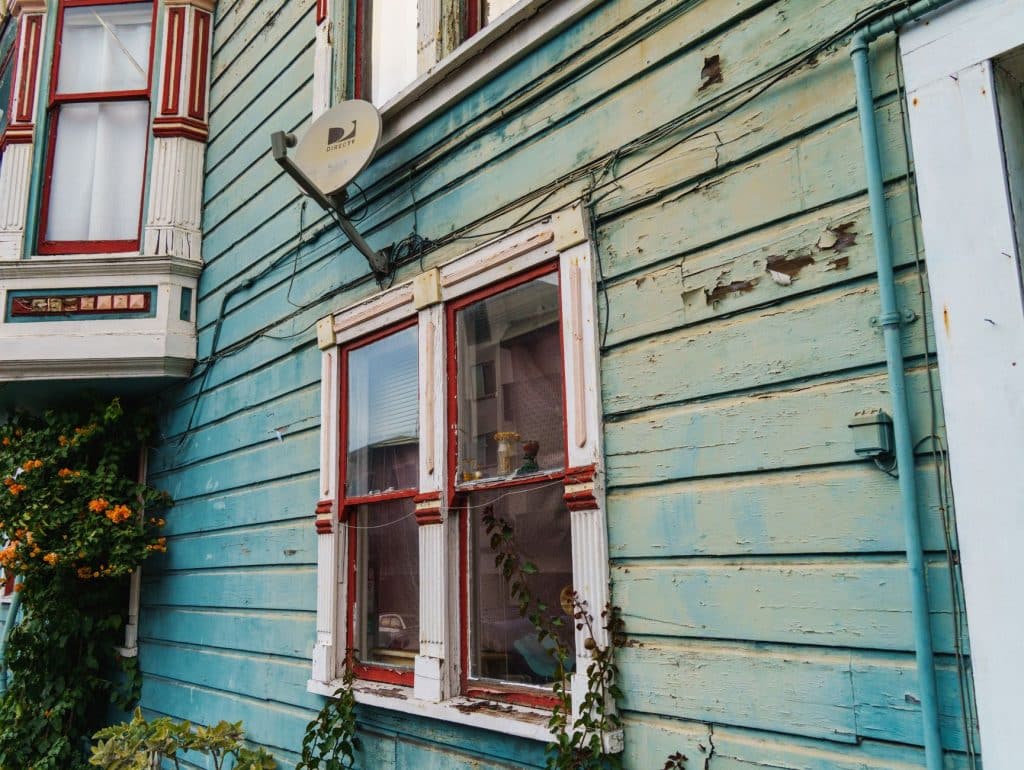
Why Water Behind Your Siding Is a Bigger Problem Than It Looks
Quick Answer: Siding is the first barrier between weather and your home, so once water slips behind it, the damage stays hidden while it spreads. In a humid, storm-heavy climate like New Orleans, trapped moisture can rot framing and grow mold in weeks, not years. Watching for the 7 signs below helps you catch trouble while it’s still cheap to fix.
Your siding does a quiet job every day. It sheds rain, blocks wind, and keeps your walls dry. The trouble starts when water finds a way past it through a cracked seam, a failed caulk line, or a spot where flashing pulled loose after a storm. Once moisture is behind the panel, it has nowhere to drain and no sun to dry it out.
New Orleans makes this worse. Wind-driven rain hits walls sideways, summer humidity keeps everything damp, and storm debris chips and cracks siding all year. For the full picture on how local weather drives this, our guide on siding moisture and humidity in Louisiana breaks it down. Here are the signs to watch for.
At a Glance
- Siding is your home’s primary defense against rain, wind, and moisture intrusion.
- Water that gets behind a panel cannot drain or dry, so it sits against the wall sheathing.
- New Orleans humidity and frequent storms speed up rot and mold once moisture is trapped.
- Many warning signs appear inside the home before you ever see them outside.
- Turnkey Siding installs 8 siding types and handles every job in-house, no subcontracting.
- Free estimates are available across New Orleans metro and 13 surrounding cities.
1. Bubbling or Blistering Paint
Look for raised bubbles, blisters, or paint that peels away in sheets on exterior walls or the siding itself. The surface may feel soft when you press it.
This happens because moisture trapped behind the paint pushes outward as it tries to escape. The water vapor breaks the bond between the paint and the surface, and you get blisters. On a humid Gulf Coast wall, that vapor pressure builds quickly.
What to do: Don’t just scrape and repaint. Bubbling paint is a symptom, not the disease. Find out where the water is coming in before you cover it up, or the new paint will blister again within a season.
2. Soft or Spongy Walls
Press your hand against the wall, inside or out. If a section feels soft, gives way, or sounds dull instead of solid, the sheathing behind it may be saturated or rotting.
Wood sheathing and framing soak up trapped water like a sponge. Over time the fibers break down, lose strength, and turn spongy. This is one of the more serious signs because it means water has been sitting there long enough to weaken the structure.
What to do: Mark the soft spots and call for an inspection right away. Soft walls rarely fix themselves, and the rot only spreads. The longer you wait, the more framing you’ll have to replace.
3. Interior Water Stains
Watch for yellow, brown, or copper-colored stains on interior walls or ceilings, often near windows, corners, or the base of exterior walls. The shape may grow or darken after heavy rain.
When water gets behind siding and the wall sheathing fails to stop it, the moisture travels inward and shows up as a stain on your drywall or plaster. Stains that appear right after a storm point straight to an exterior intrusion rather than a plumbing leak.
What to do: Track whether the stain changes with the weather. If it grows after rain, the problem is on the outside of your wall. A siding inspection will trace the path back to the entry point.
4. A Persistent Musty Smell
You’ll notice a damp, earthy, basement-like odor that lingers in a room and won’t air out, even with the windows open.
That smell is the calling card of mold and mildew feeding on damp materials inside your wall cavity. You can’t always see it, but your nose finds it. In a climate as humid as ours, a wall cavity with trapped water becomes a breeding ground fast.
What to do: Treat the smell as a real warning, not just stale air. Mold inside a wall affects both your home and your indoor air. Finding and stopping the moisture source is the only lasting fix.
5. Visible Mold or Mildew
Look for black, green, or gray patches on siding seams, around windows, along the bottom edge of walls, or creeping out from behind trim.
Mold needs three things: moisture, a food source, and time. A wall with water behind it offers all three. When you can actually see mold on the outside, it usually means there’s far more of it hidden behind the panel where you can’t.
What to do: Wiping the surface clean doesn’t reach the problem inside the wall. Visible mold on siding is a strong signal that water has been intruding for a while, so get the wall opened and inspected.
6. Warped, Buckled, or Loose Siding
Step back and look down the length of your walls. Panels that bulge, wave, pull away from the house, or no longer sit flat are warning you.
Wood siding swells and warps as it absorbs moisture. Behind vinyl or fiber cement, swollen or rotting sheathing pushes panels out of line and loosens fasteners. After a New Orleans storm, wind can also lift and crack panels, opening fresh paths for water to get in.
What to do: Loose or warped siding both signals damage and creates more of it, since every gap lets in more rain. Have it checked before the next storm widens the opening. Our siding replacement guide for New Orleans walks through when a repair will hold and when it’s time to replace.
7. New Pest Activity or Rising Energy Bills
Two quieter signs often show up together. You might notice more ants, termites, or other insects near exterior walls, or your cooling bills creep up without any change in habits.
Damp, softened wood is exactly what termites and carpenter ants look for, so a moisture problem often turns into a pest problem. At the same time, wet insulation inside the wall stops working, so your AC runs harder to hold the same temperature. In a New Orleans summer, that shows up on the bill quickly.
What to do: If pest activity and higher energy use appear alongside any of the signs above, treat them as part of the same moisture story. Fixing the water intrusion protects both your wallet and your wood.
What Causes Water to Get Behind Siding
Most intrusion traces back to a handful of failures: cracked or aging caulk around windows and doors, flashing that loosened after a storm, gaps at seams and corners, missing or damaged panels, and siding that was never sealed correctly during the original install. Any one of these gives water a door.
This is why one company handling the whole job matters. Turnkey Siding is dual-licensed for residential and commercial work, and we install all 8 siding types: brick, concrete, fiber cement, insulated, metal, stucco, vinyl, and wood. We don’t subcontract, so the same team that inspects your walls handles the repair.
Frequently Asked Questions
How can I tell if water is behind my siding without removing it?
Start with the signs you can see and smell: bubbling paint, interior stains, soft walls, a musty odor, and visible mold. Any one of these points to trapped moisture. A trained eye can often confirm the source with a moisture meter and a close look at seams and flashing, without tearing into the wall right away.
Why does this seem to happen so fast in New Orleans?
High humidity keeps walls from drying out, and frequent wind-driven rain and storms force water into small gaps. Once moisture is trapped, the warmth and dampness here let rot and mold develop much faster than in a dry climate. That’s why early action matters even more locally.
Do I need to replace all my siding or just the damaged section?
It depends on how far the water spread and how much sheathing was affected. Caught early, a targeted repair often does the job. If rot reached the framing or the damage is widespread, replacing a larger section protects your home better. An inspection tells you which path makes sense.
Can I just repaint over bubbling or stained areas?
No. Paint covers the symptom but leaves the water source active, so the bubbling and staining come right back. The intrusion point has to be found and sealed first, then any rotted material replaced, before new paint will last.
Which cities does Turnkey Siding serve?
We cover New Orleans metro plus Baton Rouge, Covington, Gretna, Hammond, Harahan, Kenner, LaPlace, Madisonville, Mandeville, Metairie, River Ridge, Slidell, and St. Rose. You can see the full list on our service areas page.
Spotted One of These Signs? Get a Free Estimate
If your home is showing any of these 7 warning signs, the smart move is to find the source before the next storm makes it worse. Turnkey Siding will inspect your walls, trace the water, and give you a straight answer on what it needs. Call us at 504-882-9704 or request your free estimate today. One company, every siding type, no subcontracting, and real protection for your home.
Related siding services: Fiber Cement Siding in New Orleans · Wood Siding