Written by Turnkey Siding
Key Takeaways
- James Hardie is a brand of fiber cement siding made from cement, sand, and cellulose fibers, built to handle heat, humidity, and storms.
- Its HardieZone system tailors product specs to climate, and New Orleans falls in the high-moisture, high-wind coastal zone.
- Fiber cement resists fire, rot, and termites, which matters in a region where all three are real concerns.
- It costs more upfront than vinyl, but lasts longer and holds paint well, so the value shows over decades, not months.
- It’s best for homeowners who plan to stay put and want low-maintenance siding that handles Gulf Coast weather.
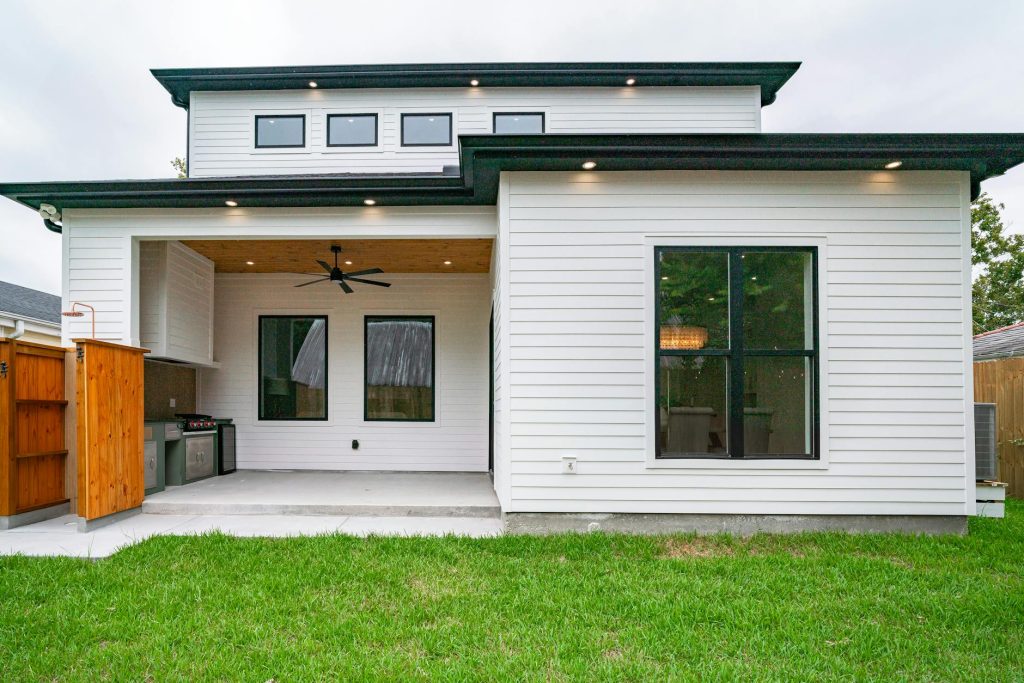
Is James Hardie Fiber Cement Siding Worth It in New Orleans?
Quick Answer: For most New Orleans homes, yes. James Hardie fiber cement stands up to heat, humidity, wind, and pests far better than vinyl or wood, and it holds its look for decades. The higher upfront price pays off if you plan to stay in your home long term.
At a Glance
- James Hardie is the most recognized maker of fiber cement siding in North America.
- Fiber cement is engineered from cement, sand, and cellulose fiber, making it non-combustible and resistant to rot.
- The HardieZone (HZ) system matches product engineering to your local climate; the Gulf Coast sits in the wet, storm-prone zone.
- It carries a long product warranty, often cited at 30 years for the boards themselves.
- Termites cannot eat it, and it does not feed mold the way organic materials can.
- Turnkey Siding installs fiber cement and 7 other siding types across the New Orleans metro and 13 surrounding cities.
What James Hardie and Fiber Cement Actually Are
James Hardie is a company, not a material. The material is fiber cement, a blend of Portland cement, sand, and cellulose fibers pressed and cured into rigid boards. James Hardie popularized it in the United States, so the brand name and the product type get used interchangeably. When someone says they want “Hardie board,” they mean fiber cement siding.
The mix matters because it gives the siding the heft and stability of masonry while still installing in plank or panel form like wood lap siding. You get the clean lines of traditional siding without the parts of wood that fail first: the soft, organic fibers that absorb water and feed insects.
Why It Performs in Gulf Coast Humidity and Storms
New Orleans throws a lot at a home’s exterior. Summer humidity sits high for months. Afternoon storms soak walls, then the sun bakes them. Hurricane season brings wind and wind-driven rain. Siding here has to survive all of it, year after year.
Fiber cement handles moisture better than wood because it does not absorb water into organic fiber the same way. It does not warp in heat the way vinyl can soften and buckle. And because the boards are dense and heavy, they hold up against wind better than thin, lightweight panels. None of this makes a home stormproof, but it gives your walls a tougher first line of defense.
The HardieZone System and Why It Fits New Orleans
James Hardie built the HardieZone system to account for the fact that a home in Phoenix faces different stress than a home in New Orleans. The company engineers and ships products tuned to regional climate. The Gulf Coast falls in the zone built for high humidity, heavy rain, and storm exposure. Boards sold for this area are formulated with that wet, hot, windy reality in mind, which is one reason fiber cement gets specified so often on local jobs.
Fire and Pest Resistance
Fiber cement is non-combustible. It will not ignite or fuel a fire the way wood siding does, which is a genuine safety feature and can matter for insurance considerations on some homes. Cement and sand also give termites nothing to eat. In a part of the country where Formosan termites cause real damage to homes every year, siding that pests ignore is worth weighing seriously. Mold and mildew can still grow on any surface that stays dirty and damp, but fiber cement does not rot or decay from within the way wood does.
Maintenance: What You Actually Have to Do
No siding is zero maintenance, and any contractor who tells you otherwise is overselling. Fiber cement is low maintenance, not no maintenance.
You will want to rinse it down once or twice a year to keep mildew off, the same wash you would give any New Orleans exterior. Caulk joints should get checked every few years and resealed where they have shrunk or cracked. Paint lasts a long time on fiber cement because the surface is stable and does not flex, so repaints come around far less often than they do on wood. Compared to the scraping, sealing, and rot repair that wood demands, the upkeep is light.
Honest Pros and Cons
The Pros
- Long lifespan, often measured in decades with basic care.
- Resists fire, termites, and rot.
- Holds paint well, so color lasts and repaints are infrequent.
- Stands up to heat and humidity without warping.
- Looks like wood, which keeps the character of older New Orleans homes intact.
The Cons
- Costs more upfront than vinyl.
- Heavy and brittle, so it takes skilled hands and proper tools to install correctly; this is not a casual DIY material.
- It is not paint-free; even pre-finished boards will eventually need a repaint over a long enough timeline.
- A poor installation can let water behind the boards, so the install quality matters as much as the product.
Cost: How It Compares to Vinyl
Fiber cement sits above vinyl on price, both for the material and the labor, since it is heavier and slower to hang. Real numbers vary by home: square footage, how many stories, the condition of what’s underneath, trim details, and whether old siding has to come off all change the figure. Anyone quoting you an exact price sight unseen is guessing.
The honest way to think about it is cost over time. Vinyl is cheaper to put up and can serve a home well, but fiber cement typically outlasts it and weathers Gulf Coast conditions with less drama. If you plan to sell in a couple of years, vinyl’s lower upfront cost may make sense. If you plan to stay, fiber cement often wins on the long math. Our siding replacement guide for New Orleans walks through how to weigh those tradeoffs for your own situation, and our fiber cement siding page covers the material in more depth.
Who Fiber Cement Is Best For
James Hardie fiber cement makes the most sense if you own your home and plan to keep it, want siding that handles New Orleans weather without constant attention, and care about fire and termite resistance. It also suits owners of older or historic homes who want the wood look without wood’s headaches. If your house sits in a New Orleans local historic district, check with the Historic District Landmarks Commission before you order material, or with the Vieux Carré Commission in the French Quarter. Our guide to historic district siding rules in New Orleans covers what that review tends to focus on.
It may be a weaker fit if your budget is tight right now, if you’re prepping a home for a quick sale, or if your home’s structure or design points toward a different material. That last call is worth having with someone who installs every type and has no reason to push one over another. We install all 8 siding types, brick, concrete, fiber cement, insulated, metal, stucco, vinyl, and wood, with no subcontracting, so the recommendation you get is based on your home, not on what we happen to stock.
Frequently Asked Questions
How long does James Hardie siding last in New Orleans?
With basic upkeep, fiber cement commonly lasts for decades. The boards carry a long product warranty, often cited at 30 years. Gulf Coast humidity and storms shorten the life of many materials, but fiber cement is built to weather them better than most.
Is fiber cement worth the extra cost over vinyl?
For homeowners staying long term, usually yes. You pay more upfront, but you tend to get a longer lifespan, better storm and pest resistance, and fewer repairs. For a short-term hold, vinyl’s lower price may suit you better. It comes down to how long you plan to stay.
Does Hardie board really resist termites and fire?
Yes on both. Fiber cement is made of cement and sand, so termites have nothing to eat, and the material is non-combustible, meaning it will not ignite or feed a fire. That combination is a real advantage in a termite-heavy region.
Can I install fiber cement siding myself?
We do not recommend it. The boards are heavy, brittle, and need specific cutting tools and flashing details to keep water out. A bad install can trap moisture behind the siding and cause more harm than the old siding ever did, so this is a job for trained crews.
Do you install fiber cement outside of New Orleans proper?
Yes. We serve the New Orleans metro plus Baton Rouge, Covington, Gretna, Hammond, Harahan, Kenner, LaPlace, Madisonville, Mandeville, Metairie, River Ridge, Slidell, and St. Rose. You can see the full list on our service areas page.
Get a Free Estimate from Turnkey Siding
If you’re weighing James Hardie fiber cement for your New Orleans home, the smartest next step is a real look at your house and an honest, no-pressure estimate. We’re dual-licensed for residential (#890459) and commercial (#3667) work, we install every siding type in-house, and we’ll tell you straight whether fiber cement is the right call for your home or whether something else fits better.
Call us at 504-882-9704 or request your free estimate today.
Related siding services: Fiber Cement (James Hardie) Siding in New Orleans · Vinyl Siding · All Siding Services