Written by Turnkey Siding
Key Takeaways
- Lighter vinyl colors absorb less heat and hold up longer under Louisiana’s intense UV exposure.
- Dark vinyl colors can warp or fade noticeably within 5-7 years in the Gulf Coast climate.
- Vinyl color is permanent, and it cannot be reliably painted over without specialty products and full prep work.
- HOA rules and New Orleans historic district guidelines restrict color choices in some neighborhoods.
- Look for a 30+ year fade warranty from the manufacturer when selecting any vinyl color for a Louisiana home.
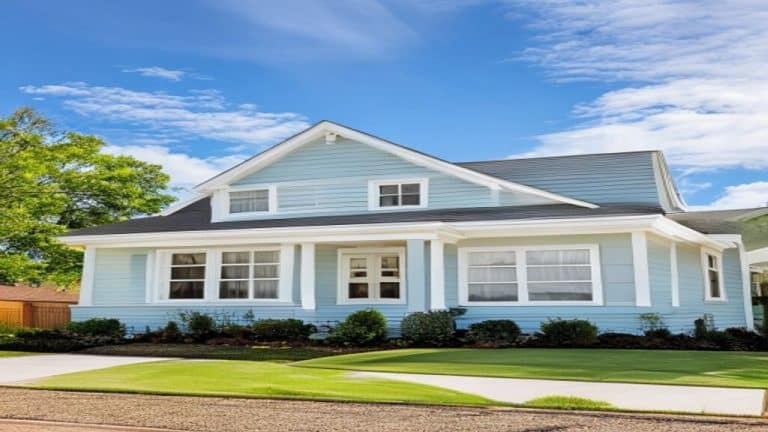
Vinyl Siding Colors for Louisiana Homes: What Works Here
Quick Answer: In Louisiana’s heat, lighter siding colors are the practical choice. Light to medium neutrals, warm whites, soft grays, and muted tans reflect more solar energy, keep wall surface temperatures lower, and hold their appearance longer in intense UV. Darker colors aren’t off the table, but they accelerate vinyl aging and raise cooling loads on already hot walls.
Color selection is also an architectural decision. New Orleans has a distinct regional character, and what looks right on a Creole cottage in Mid-City is different from what suits a suburban ranch home in Metairie or a raised pier home in St. Tammany Parish.
Here’s practical guidance for both the performance side and the aesthetic side.
At a Glance
- Heat absorption: Dark colors absorb up to 70% more solar energy than light colors on the same wall
- Vinyl limit: Most manufacturers cap warranties on dark colors (specifically deep browns, grays, and charcoals) due to heat-related expansion
- Most popular Louisiana exterior color families: Warm whites, cream tones, soft sage greens, light gray-blues
- Fade note: Intense UV drives most fading here; UV-stable pigments matter most on south- and west-facing walls
- Trim contrast: Strong body-to-trim contrast reads well in Louisiana’s bright light
Why Color Matters More in Louisiana Than Most States
Louisiana sun is intense. The angle, duration, and UV index here exceeds most of the continental United States for most of the year. That matters for vinyl because vinyl expands and contracts with temperature, and darker colors absorb more heat, pushing surface temperatures on south- and west-facing walls well above air temperature.
A wall painted or sided in a deep charcoal gray can reach surface temperatures of 150 to 170 degrees Fahrenheit in direct August sun. Vinyl is engineered to handle a certain range of thermal movement, but excessive heat cycles accelerate the material’s aging. Most major vinyl manufacturers, including CertainTeed and Alside, void warranties on dark color panels installed in direct south-facing applications in high-heat climates.
Beyond material performance, darker siding on an un-shaded wall adds to cooling loads inside the home. In a region where air conditioning runs 8 or 9 months of the year, that’s a real energy cost.
The practical answer: go lighter on main body panels, especially on south and west exposures. Save darker tones for accents, shutters, and trim, where surface area is small and the thermal effect is limited.
Color and Louisiana’s Architectural Styles
New Orleans and the surrounding parishes have several distinct residential architectural types, and color choices that complement each look different.
Shotgun houses and Creole cottages. The historic New Orleans color palette is bold by national standards. Ochre yellows, Creole pinks, seafoam greens, and soft corals have been common on historic wood-framed homes for generations. Vinyl siding isn’t the traditional material on these homes, and full vinyl replacement on a historic shotgun can look out of place if the color is off. Homeowners going this route should look for colors in the warm cream and muted sage family rather than stark white or generic beige. The key is warmth, not brightness.
Suburban ranch homes (Metairie, Kenner, Marrero, Gretna). These homes have more flexibility. Mid-century ranch homes often look sharp in light gray, greige (gray-beige), or warm white body panels with white or deep charcoal trim. These color combinations read as updated without being trendy. Avoid very cold grays, which can look flat in Louisiana’s warm light.
Elevated and pier homes (Northshore, St. Bernard, coastal parishes). Homes raised on piers have visible foundation walls and often more exposed vertical surface area. Lighter colors handle the heat load better on these homes. Coastal properties benefit from slightly cooler palettes, soft blue-grays and pale seafoam tones that reference the water environment without being obvious about it.
Contemporary new construction. Monochromatic schemes using a single color family with subtle tone variation look intentional and modern. Light warm whites with matching white trim, or a soft greige body with slightly deeper greige accent panels, can work well on newer builds with cleaner lines.
Practical Color Selection Tips
Consider the fixed elements you can’t change: roof color, brick or masonry on the foundation, driveway material, and surrounding vegetation. Siding color should work with those elements, not fight them. A warm tan home with a dark charcoal roof and red brick accents needs a body color in the warm neutral family. A gray-roofed home on a lot with heavy tree canopy can handle cooler tones.
Test colors at full scale before committing. Large paint chips or sample panels look different at wall scale than they do in a brochure or on a screen. Lighting changes across the day, and a color that reads as soft gray at noon may look lavender in morning light.
Think about the home’s orientation. South- and west-facing walls carry the most sun load and should be in your lightest color selections. North-facing walls can handle slightly deeper tones without the heat penalty.
Resale consideration: neutral, regional-context colors sell better than personal statement colors. Strong earth tones, warm whites, and soft grays are consistent performers in Louisiana’s residential market.
Frequently Asked Questions
Can I use dark gray or charcoal vinyl siding in Louisiana? You can, but with caveats. Check the manufacturer’s warranty for heat climate restrictions, which many brands apply to deep colors. Use deep colors on north-facing elevations or in shaded areas rather than full south or west exposures. Pairing a lighter body panel with dark trim is a way to get visual impact from a deep color without the thermal penalty of full dark coverage.
What are the most popular vinyl siding colors in New Orleans right now? Warm white and light cream tones remain the most common choice. Soft sage greens are popular on historic-style homes. Gray families dominate suburban new installs. Pale blue-gray tones appear more frequently on Northshore and coastal properties.
Does siding color affect my energy bills in Louisiana? Yes, measurably. Lighter colors reflect more solar energy from wall surfaces, reducing heat gain into the wall cavity and ultimately the conditioned space. The effect is most pronounced on south and west walls in full sun. In Louisiana’s long cooling season, the energy savings over the life of the siding can be meaningful.
Will vinyl siding colors fade in Louisiana’s sun? All exterior colors fade over time in high-UV environments. Louisiana’s sun accelerates that process compared to northern states. Quality vinyl manufacturers use UV-stable pigments that resist fading for 10 to 20 years under normal conditions. Lighter colors fade less noticeably than darker ones, which is another practical argument for going lighter in this climate.
How do I choose siding color that complements the style of my New Orleans-area home? Start with the architectural type and the fixed elements: roof color, masonry, hardscape. Pull color from the regional context. New Orleans historically favors warm tones. The Northshore reads slightly more coastal and suburban. Metairie and the West Bank skew toward clean, contemporary neutrals. When in doubt, a siding installer with local experience can walk through your specific home and make recommendations based on what they’ve seen work.
Turnkey Siding installs vinyl siding in the full manufacturer color range across the New Orleans metro and Southeast Louisiana. Call 504-882-9704 to discuss your color options.
About Turnkey Siding
Turnkey Siding has served Southeast Louisiana homeowners for over 20 years. We hold residential license #890459 and commercial license #3667, and we install all 8 siding materials with our own crews. No subcontracting means consistent results and a crew that’s accountable to us, and to you.
Whether you’re replacing storm-damaged siding or updating the exterior of a well-maintained home, we walk through the material and color options that fit your specific home. Call 504-882-9704 to schedule a free estimate.
Sources
- CertainTeed Siding: vinyl siding fade warranty terms and UV-resistance specifications by product line.
- ASTM International: ASTM D4726 standard specification for rigid PVC exterior-profile extrusions used for building cladding.
- City of New Orleans Historic District Landmarks Commission: color and material approval guidelines for historic preservation overlay zones.
Related siding services: Vinyl Siding · All Siding Services