Written by Turnkey Siding
Key Takeaways
- Brick usually costs more upfront than vinyl or fiber cement siding, but it asks for very little upkeep once it’s installed correctly.
- In New Orleans humidity, both options work, yet how each one manages moisture, drainage, and wind-driven rain matters more here than in drier climates.
- Brick and brick veneer handle wind and flying debris well; modern fiber cement and engineered siding are also rated for high-wind zones and resist impact better than older vinyl.
- Siding offers more colors, profiles, and easier future changes, while brick delivers a permanent, classic look that many local buyers expect on certain streets.
- Turnkey installs both brick and all the major siding materials with our own crews, so the recommendation fits your home, budget, and block rather than a single product line.
Quick Answer: Which Holds Up Better in New Orleans?
Quick Answer: There’s no single winner in the brick vs siding debate for New Orleans homes. Brick costs more to install and gives you a low-maintenance, storm-tough exterior that lasts for decades. Siding, whether vinyl, fiber cement, or engineered wood, costs less upfront, offers far more design flexibility, and modern versions stand up to our heat, humidity, and wind when they’re installed with proper flashing and a drainage gap. The right pick depends on your budget, the style of your street, and how much future maintenance you want to take on. Both can thrive here when the install handles water the way our climate demands.
Upfront Cost: Where Your Money Goes
Cost is the first place most homeowners feel the difference. Brick and brick veneer carry a higher installed price because the material is heavier, the labor is slower, and skilled masonry takes time. You’re paying for a product that can outlast the mortgage.
Siding sits lower on the price ladder, though the range is wide. Vinyl tends to be the most affordable, fiber cement lands in the middle, and engineered wood often runs closer to fiber cement depending on the profile. If you want the full breakdown of how each siding type compares on price and longevity, our guide to the best siding materials for Louisiana homes walks through every option side by side.
- Brick / brick veneer: highest upfront cost, lowest lifetime upkeep.
- Fiber cement siding: mid-range cost, strong durability, periodic repainting.
- Vinyl siding: lowest upfront cost, quick installs, easy replacement.
Long-Term Maintenance and Lifespan
This is where brick earns its reputation. A well-built brick wall asks for very little: occasional mortar inspection and the rare repointing after many years. It won’t rot, it won’t need painting, and it shrugs off sun that fades other surfaces.
Siding maintenance depends on the material. Vinyl needs an occasional wash and almost no painting, but it can crack with age or hard impact. Fiber cement and engineered wood last a long time and resist rot, though they do need repainting on a cycle and proper caulking at the seams. When boards do take damage from a storm or an errant ladder, repairs are usually faster and cheaper than masonry work. Our team handles those fixes through our siding repair and replacement services in New Orleans, so a damaged section doesn’t have to mean a full re-side.
Moisture Behavior in a Humid Climate
New Orleans humidity is the quiet test that decides how an exterior ages. Both brick and siding can handle it, but each manages water differently, and the install details carry more weight here than the material name on the box.
How brick handles water
Brick is porous and actually absorbs some moisture, then releases it as it dries. That’s fine by design, as long as there’s a proper air gap and weep holes behind the veneer so trapped water can drain and the wall can breathe. Skip those details and moisture sits against the sheathing, which is where rot and mold start.
How siding handles water
Siding sheds water at the surface and relies on a weather-resistant barrier, flashing, and a small ventilation gap behind the boards to keep the wall dry. Fiber cement and engineered wood are built to resist swelling in damp air, and vinyl doesn’t absorb water at all. The failure point is almost never the material; it’s a missed flashing detail or a sealed-up wall that can’t dry. Because our alluvial-delta ground and heavy rain push water at homes from every angle, we install both systems with drainage and ventilation as the priority.
Storm and Wind Resistance
Wind-driven rain and flying debris are the real exterior threats in our region, not coastal salt, since the Gulf sits 40 to 50 miles out and Lake Pontchartrain is brackish. Humidity and storm season do the heavy lifting on wear.
Brick and brick veneer are dense and heavy, so they resist impact and high wind well; a properly tied veneer stays put in serious weather. Among siding options, fiber cement and engineered wood are rated for high-wind zones and take an impact better than older, brittle vinyl. Newer thick-profile and insulated vinyl has closed much of that gap. The fastener schedule and the installer’s attention to wind ratings matter as much as the product. For a closer look at two of the toughest siding choices head to head, see our comparison of fiber cement vs engineered wood.
Appearance, Curb Appeal, and Resale
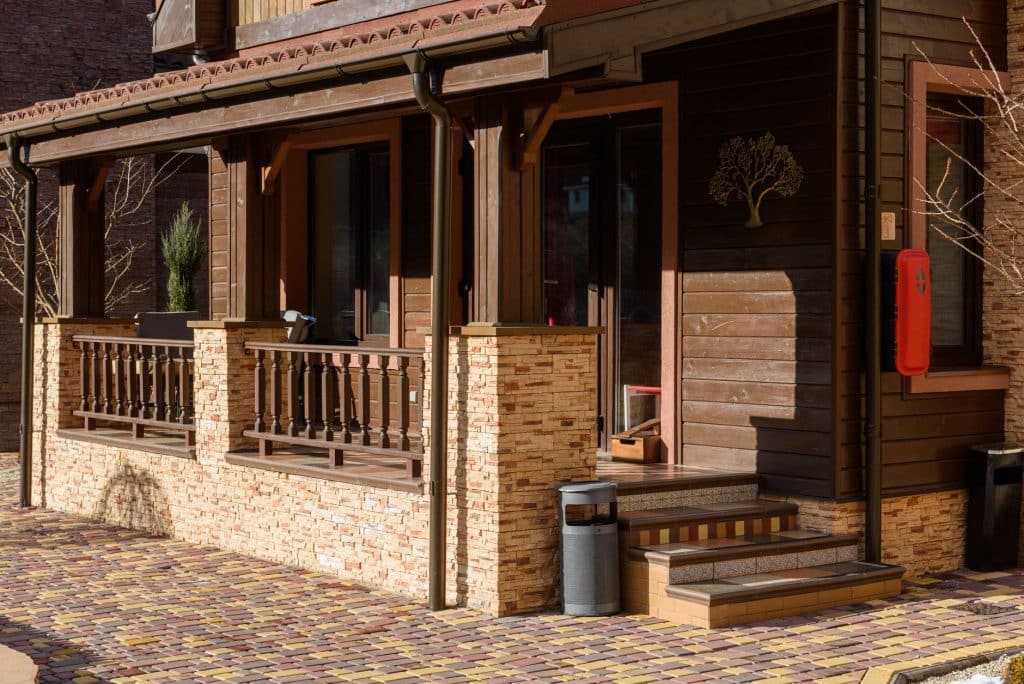
Looks drive a lot of brick versus siding decisions, and the answer is personal. Brick reads as permanent and traditional, and on certain New Orleans streets buyers expect it. It never needs a color change because the color is the material.
Siding wins on flexibility. You get dozens of colors, widths, and profiles, and you can repaint or restyle down the road without tearing off the wall. Architectural looks like board and batten siding give homes a clean, modern vertical line that brick can’t replicate. On resale, both hold value when they’re done well; brick signals low maintenance to buyers, while fresh, well-kept siding signals a home that’s been cared for. Mixing the two, brick on the lower facade with siding gables above, is a popular local approach that we install regularly.
Energy considerations
Neither material insulates much on its own. Brick veneer adds thermal mass that can slow heat transfer slightly, while insulated siding builds a foam backing right into the panel for a modest efficiency bump. In our climate, what your walls have behind them, the sheathing, house wrap, and any added insulation, drives comfort far more than the exterior skin itself.
Which Is Right for Your Home?
Choose brick if you want the lowest long-term maintenance, a permanent classic look, and you’re comfortable with a higher upfront cost. Choose siding if you want a lower starting price, more design freedom, easier future updates, and faster, cheaper repairs when storms hit. Many homeowners land on a blend, and that’s a perfectly good answer.
Because Turnkey is licensed in Louisiana (residential #890459, commercial #3667) and installs all 8 exterior types, including brick, fiber cement, vinyl, metal, stucco, wood, concrete, and insulated, we’re not steering you toward whatever we happen to stock. We use our own crews and never subcontract, so the same team that quotes your home is the one that builds it. The recommendation fits the house and the block, not a limited menu.
Frequently Asked Questions
Is brick or siding cheaper for a New Orleans home?
Siding is almost always cheaper to install upfront, with vinyl being the most affordable and fiber cement landing in the middle. Brick costs more because of the material weight and slower masonry labor. Brick can narrow the gap over decades thanks to lower maintenance, but the day-one price favors siding.
Does brick or siding hold up better in our humidity?
Both perform well when installed correctly. The deciding factor isn’t the material; it’s whether the wall can drain and breathe. Brick veneer needs weep holes and an air gap; siding needs a weather barrier, flashing, and a ventilation gap. A poor install fails in our humidity no matter which one you pick.
Can I put siding over existing brick or mix the two?
Yes. Mixing brick and siding on the same facade is common and looks great, for example brick on the first floor with siding above. Adding siding over brick is possible too, but it requires furring strips and careful moisture detailing. We assess the wall first and recommend the approach that keeps water out.
Which option is better for storm and wind resistance?
Brick veneer and dense fiber cement both resist wind and flying debris very well. Engineered wood is also strong, and modern thick or insulated vinyl performs far better than older versions. Across the board, correct fastening to the right wind rating matters as much as the material you choose.
Talk to Turnkey About Brick or Siding for Your Home
Not sure whether brick, siding, or a mix of both fits your home and budget? We’ll walk your exterior, check how it’s handling water, and give you an honest recommendation, not a sales pitch for one product. Turnkey serves New Orleans and the surrounding metro, plus Baton Rouge, Covington, Gretna, Hammond, Harahan, Kenner, LaPlace, Madisonville, Mandeville, Metairie, River Ridge, Slidell, and St. Rose. Call us at 504-882-9704 or request your free estimate today.