Written by Turnkey Siding
Key Takeaways
- New siding consistently ranks in the top 5 exterior renovations for ROI, returning 70-80% of cost at resale.
- Fiber cement adds more perceived value than vinyl in the New Orleans real estate market.
- Improved curb appeal from new siding can reduce days on market and attract stronger offers.
- Impact-rated siding may lower homeowner’s insurance premiums in Louisiana hurricane zones.
- Premium materials in entry-level neighborhoods yield diminishing returns – match the material to the local market.
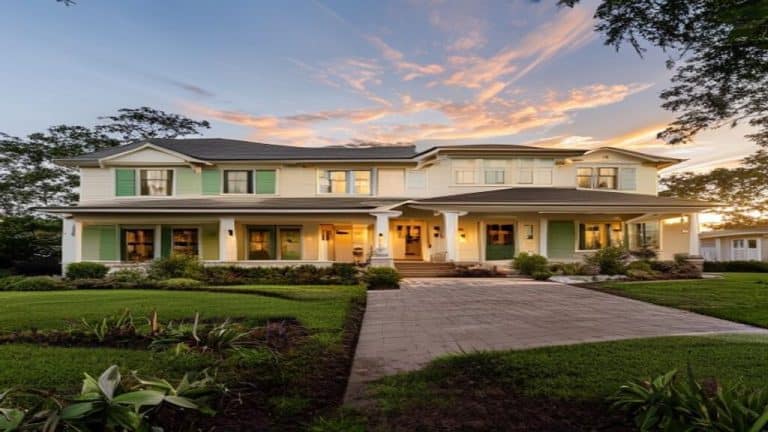
Does New Siding Increase Home Value in Louisiana?
Quick Answer: Yes, new siding increases home value in Louisiana, typically returning 70% to 80% of project cost at resale for fiber cement. But the bigger factor is what aged or damaged siding costs you in buyer negotiations. In the New Orleans market, bad siding doesn’t just reduce appeal – it signals moisture problems, and buyers price that aggressively.
The Honest Picture on Siding and Home Value
Remodeling Magazine’s Cost vs. Value Report consistently ranks fiber cement siding replacement among the top ROI home improvement projects nationally. Homeowners get back roughly 70 to 80 cents on every dollar spent. That return is respectable, but it understates what siding does in a market like Louisiana, where the signal value of a well-maintained exterior carries extra weight.
Here’s what’s different in New Orleans and the surrounding parishes: buyers are trained to read exteriors. After Katrina, Rita, Ike, and Ida, anyone who’s been in this market for more than a decade knows what flood-damaged, neglected, or storm-compromised siding looks like. Peeling paint, warped panels, and staining don’t just reduce curb appeal – they raise a question in every buyer’s mind: what’s happening behind that siding?
This article covers the ROI numbers, which materials return the most, and when the math stops working in your favor.
Key topics:
- What the data says about siding ROI nationally and why Louisiana is different
- Which siding materials buyers respond to most
- How damaged siding affects buyer negotiations and inspection outcomes
- When new siding doesn’t pencil out
At a Glance
- Fiber cement siding ROI: Approximately 70-80% of project cost returned at resale (Cost vs. Value Report)
- Vinyl siding ROI: Typically 65-75% – slightly lower buyer perception than fiber cement
- Louisiana factor: Damaged siding triggers buyer price reductions that often exceed the cost of replacement
- Materials buyers value most: Fiber cement > vinyl > wood in terms of perceived durability and low maintenance
- Don’t overcapitalize: Putting $25,000 in premium wood siding on a $180,000 house won’t recover that investment
Why Louisiana Buyers Look at Siding Differently
In most parts of the country, dated or weathered siding reads as a cosmetic issue. In Southeast Louisiana, it reads as a flag. Buyers here – especially experienced ones working with a local agent – immediately start asking: has this house been wet? Is the sheathing compromised? Are there active moisture problems behind that surface?
This is a rational response to a real regional pattern. Homes here get hit with tropical storms, extended humidity, and driving rain multiple times per decade. Old or failing siding in this climate doesn’t just look bad. It often means water has been working its way in at seams, around windows, and through cracks for years. By the time that damage shows on the outside, the inside story is sometimes much worse.
New siding signals the opposite. It tells buyers the owner maintained the structure, there’s no deferred rot problem waiting for them, and the building envelope is sound. That signal is worth more in New Orleans than the number in a national ROI report suggests.
Which Siding Material Returns the Most Value?
Not all siding is equal in the eyes of buyers and appraisers. Here’s how the common options stack up:
Fiber cement is the best performer for resale in Louisiana. Buyers know it’s durable, they know it doesn’t rot, and they know the leading brands carry substantial warranties. An appraiser reviewing comparable properties will typically recognize a fiber cement exterior as a positive differentiator, especially against older vinyl or wood alternatives.
Vinyl performs well too, particularly premium-grade vinyl with thicker profiles. Thin builder-grade vinyl doesn’t impress buyers in higher-value homes, but mid-to-upper-grade vinyl on a moderately priced home is a solid choice that returns most of its cost. It also doesn’t require repainting, which buyers weigh.
Wood siding – cedar, heart pine, cypress – has strong appeal in New Orleans, particularly on historic or character homes where the aesthetics fit. But buyers also know wood requires maintenance, and unless the installation is recent and the maintenance history is clear, some buyers will discount it. The return depends heavily on the home and the buyer pool.
Engineered wood and composite products fall between fiber cement and vinyl in most buyers’ minds. They’re a reasonable choice but don’t generate the same enthusiasm as fiber cement.
What Damaged Siding Actually Costs You
Here’s where property owners frequently miscalculate. They skip re-siding because it costs $12,000 to $20,000 and they don’t see a guaranteed 1-to-1 return. What they miss is the negotiation math on the other side.
A buyer’s inspector notes failing siding, cracked caulk at windows, and some soft spots at the base of exterior walls. That inspection report doesn’t just flag a maintenance item – it hands the buyer a lever. Price reduction requests of $15,000 to $30,000 on damaged siding issues are common in this market, often exceeding what the replacement would have cost. And some buyers simply walk.
Pre-listing re-siding removes that lever entirely. The house shows clean, the inspection report is quiet on exterior envelope issues, and you don’t negotiate from a position of visible deferred maintenance.
When the Math Doesn’t Work
Don’t overcapitalize relative to your market. Putting $28,000 in custom-milled cypress siding on a Gentilly double with a $200,000 list price won’t return that investment. Buyers in that price range are comparing against similar homes, not paying a premium for materials they didn’t ask for.
The rule is simple: match the quality of your siding investment to your home’s price tier and your neighborhood. Mid-grade fiber cement or premium vinyl on a modest home is almost always the right answer. Reserve premium materials for premium price points where buyers expect and value them.
FAQ
Does new siding help a house sell faster? Yes, consistently. Homes with fresh exteriors spend fewer days on market. The combination of better photos, stronger first impressions, and cleaner inspections shortens the sale timeline.
Do appraisers give value to new siding? Appraisers use comparables, so they’ll note new siding as a condition upgrade relative to comparable properties with older or failing exteriors. It’s a positive adjustment, not a dollar-for-dollar credit, but it supports a stronger valuation.
Is it worth replacing siding before listing? In most cases, yes – particularly if the existing siding is visibly aged, stained, or failing. The cost to replace is usually lower than the combined impact of buyer price reductions, extended time on market, and deals falling through at inspection.
Which siding adds the most curb appeal in Louisiana? Fiber cement, particularly when paired with fresh trim paint and well-maintained landscaping. It photographs well, holds color, and reads as a quality material across all buyer segments.
How much does new siding cost in New Orleans? Budget $10,000 to $25,000 for most residential re-siding projects depending on home size, material choice, and whether existing siding requires tear-off. Get multiple itemized estimates before signing anything.
About Turnkey Siding: Turnkey Siding provides residential and commercial siding installation throughout New Orleans and Southeast Louisiana, specializing in fiber cement, vinyl, and exterior envelope replacement for homeowners preparing to sell, remodel, or repair storm damage.
Ready to protect your home’s value? Turnkey Siding helps homeowners and investors get the most out of their exteriors backed by 20-plus years of Gulf Coast installation experience.
Contact us today at 504-882-9704 to schedule your free on-site estimate.
Disclaimer: Roofing involves safety risks; consult licensed professionals for work beyond ground-level visual checks. Costs and specifications provided are estimates based on typical New Orleans market conditions and may vary based on specific project requirements and current material pricing.
Sources
- Remodeling Magazine Cost vs. Value Report: siding replacement ROI data and resale value benchmarks by region.
- National Association of Realtors: curb appeal and exterior improvement impact on home sale prices and days on market.
- Louisiana Department of Insurance: impact-rated material premium discount eligibility in Louisiana hurricane zones.
Related siding services: Fiber Cement Siding in New Orleans · Vinyl Siding