Written by Turnkey Siding
Key Takeaways
- Replace siding when you see widespread rot, recurring moisture behind the wall, warping, or repairs that keep coming back; isolated damage usually calls for a repair instead.
- New Orleans heat, humidity, and hurricane history make moisture resistance and wind performance the two traits that matter most when picking a material.
- A full replacement typically runs through tear-off, inspection, moisture barrier, installation, trim, and cleanup, often finishing in several days to a couple of weeks depending on home size.
- Vet any installer for the right Louisiana licenses, in-house crews, and a clear written scope before you sign anything.
- Costs vary by home based on square footage, material, wall condition, and access, so treat any number you read online as a rough range, not a quote.
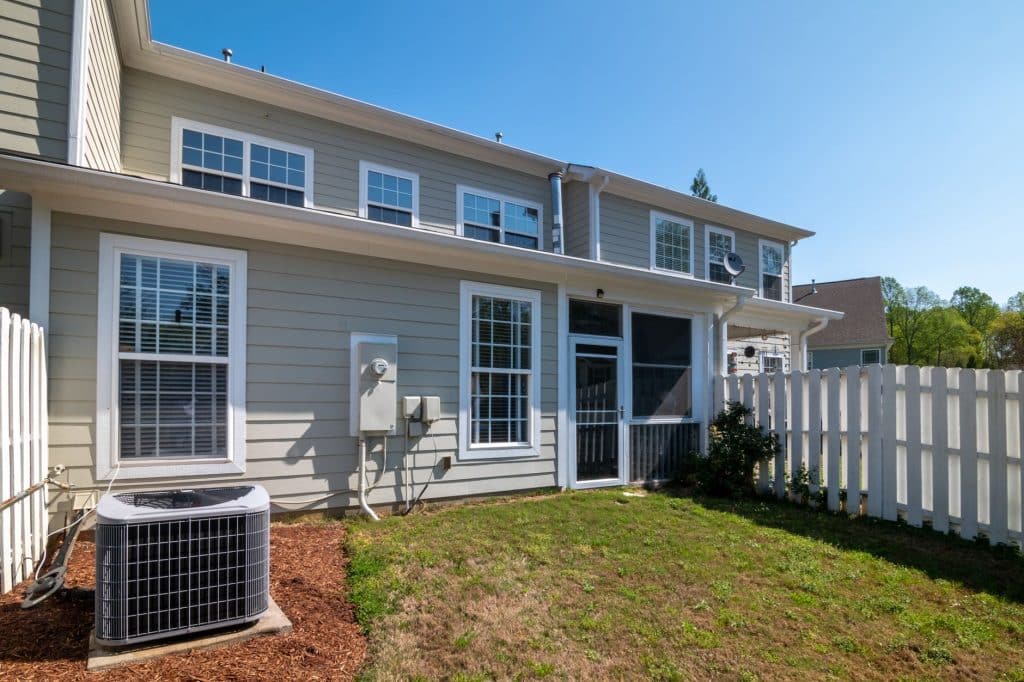
Is It Time to Replace Your Siding in New Orleans?
Quick Answer: Replace your siding when damage is widespread, moisture keeps getting behind the wall, or repairs have become a recurring expense. If the problem is limited to a few boards or one wall section, a targeted repair usually makes more sense. In a humid, storm-prone climate like New Orleans, the deciding factor is almost always how much water has worked its way past the surface.
At a Glance
- Turnkey Siding serves New Orleans and the surrounding metro, plus Baton Rouge, Covington, Gretna, Hammond, Harahan, Kenner, LaPlace, Madisonville, Mandeville, Metairie, River Ridge, Slidell, and St. Rose.
- We install all 8 siding types: brick, concrete, fiber cement, insulated, metal, stucco, vinyl, and wood.
- We are dual-licensed for residential (#890459) and commercial (#3667) work.
- Every job is handled by our own crews, with no subcontracting.
- One company covers every material type, so you are not juggling multiple trades for a single project.
- You can reach us directly at 504-882-9704 for a free estimate.
Signs You Need Replacement vs. Repair
Not every blemish means a full tear-off. The trick is reading what the damage is telling you about the wall behind it.
Lean Toward Repair When
- A storm cracked or knocked loose a handful of boards in one area.
- The damage is cosmetic, like fading or a small dent, and the wall behind it is dry.
- One panel pulled away but the rest of the siding is sound and well within its service life.
Lean Toward Replacement When
- You see rot, soft spots, or crumbling across multiple walls.
- Paint blisters or peels again within months of a fresh coat, which often points to trapped moisture.
- You spot mold, mildew, or musty smells inside near exterior walls.
- Repairs have become a yearly ritual and the costs are stacking up.
- The siding is original to an older home and brittle, warped, or no longer holding paint.
Hidden water is the quiet killer in this climate. If you suspect moisture has gotten past the surface, read our guide on the signs of water damage behind siding before deciding. A small patch job over a wet wall just hides the problem until it spreads.
Choosing the Right Material for the Louisiana Climate
New Orleans throws three things at your exterior: relentless humidity, intense summer heat, and the occasional hurricane. Hurricane Katrina in 2005 came ashore as a Category 3, and Hurricane Ida in 2021 hit as a Category 4, so wind performance is not a hypothetical here. We install all 8 siding types, and each handles those conditions differently.
Fiber Cement
Fiber cement resists moisture, rot, and pests, and it holds up well against wind-driven rain. It is a popular pick for Gulf Coast homes for good reason. If this is on your shortlist, see our pages on fiber cement siding and James Hardie siding.
Vinyl
Vinyl is budget-friendly, low-maintenance, and naturally water-resistant, which suits a humid climate. Newer products offer improved wind ratings. Learn more on our vinyl siding page.
Insulated
Insulated siding adds a foam backing that boosts energy efficiency, a real benefit during long, hot summers when your AC runs constantly.
Brick, Concrete, and Stucco
Masonry options are durable and storm-tough. Stucco performs well when installed correctly, though in a wet climate the underlying drainage and flashing details matter enormously. Brick and concrete bring long service lives and strong wind resistance.
Metal and Wood
Metal siding stands up to wind and resists rot and insects. Wood delivers classic character that fits many historic New Orleans neighborhoods, though it asks for more upkeep to fend off moisture and pests. We will walk you through the trade-offs of each on our full siding services page.
What the Replacement Process Looks Like, Step by Step
A full replacement is more involved than slapping new panels over old ones. Here is the general sequence we follow.
- On-site assessment. We measure, inspect the existing walls, and recommend a material that fits your home and budget.
- Tear-off. We remove the old siding down to the sheathing so nothing is hidden.
- Wall inspection and repairs. With the wall exposed, we check for rot, water intrusion, or damaged sheathing and fix what we find before anything new goes up.
- Moisture barrier and flashing. We install a weather-resistant barrier and proper flashing around windows, doors, and penetrations. In New Orleans, this layer earns its keep.
- Installation. The new siding goes on according to the material’s specs, with correct fastening and spacing.
- Finishing and walkthrough. We fit corners, soffits, fascia, and trim, clear the site, and walk the job with you to confirm everything meets the mark.
Timeline: How Long Does It Take?
Timing depends on your home’s size, the material, the weather, and what we find once the old siding comes off. As a general guide:
- A smaller home with a straightforward layout can wrap in several days.
- A larger or more detailed home may take a week to two weeks.
- Discovering hidden rot or sheathing damage adds time, since fixing the wall properly comes first.
- Rain delays are part of life on the Gulf Coast, and we plan around them rather than rush through them.
We give you a realistic schedule up front and keep you posted if conditions shift.
Permits: What to Know
Many siding replacements in the New Orleans area require a permit, and historic districts often carry extra review for exterior changes. Requirements vary by jurisdiction across the metro and the 13 cities we serve, so the rules in Slidell may differ from those in Metairie or Baton Rouge. As your installer, we handle the permitting that applies to your project and pull what the job needs, so you never have to decode the local code yourself.
How to Vet a Siding Installer
Your siding is your home’s first line of defense against weather, so who installs it matters as much as the material. Ask these questions before you hire anyone.
- Are they properly licensed? Louisiana work should be backed by the right credentials. We hold both residential (#890459) and commercial (#3667) licenses.
- Do they use their own crews? Subcontracting can muddy accountability. We never subcontract, so the team on your home answers directly to us.
- Can they handle your material? Some installers only work with one or two products. We install all 8 siding types, so the recommendation fits your home, not their limitations.
- Is the scope in writing? A clear, written breakdown of materials, labor, and timeline protects everyone.
- Do they know this climate? Gulf Coast moisture and storm exposure call for installation details an out-of-area crew might skip.
See the full list of communities we cover on our service areas page.
What Affects the Cost of Siding Replacement
Pricing for siding replacement varies by home, and any figure you find online is a rough range at best. Rather than quote a number that will not match your project, here is what actually moves the cost.
- Square footage. More wall area means more material and labor.
- Material choice. Vinyl typically sits at the lower end, while brick, fiber cement, and certain premium products run higher.
- Wall condition. Hidden rot or sheathing repairs add to the scope once the old siding is removed.
- Home complexity. Multiple stories, intricate trim, and many windows or corners take more time.
- Removal and disposal. Tearing off and hauling away old siding is part of the work.
- Access. Tight lots or hard-to-reach walls can affect labor.
A real number comes from a real look at your home, which is why our estimates are free and based on your actual walls, not a calculator.
Protecting Your Investment After Installation
New siding lasts longest when you give it a little attention. Seasonal checks catch small issues before the humidity turns them into big ones. Our siding maintenance checklist walks you through what to look for through the year, from caulk lines to drainage around the foundation.
Frequently Asked Questions
How do I know if I need full replacement or just a repair?
If the damage is limited to a small area and the wall behind it is dry and sound, a repair usually does the job. Widespread rot, recurring moisture, warping across multiple walls, or repairs that keep coming back point toward replacement. The condition of the wall behind the siding, not just the surface, is what tips the decision.
Which siding holds up best in the New Orleans climate?
There is no single winner, since each material has trade-offs. Fiber cement, vinyl, and insulated siding are all popular for their moisture resistance and value, while brick, concrete, and metal bring strong durability and wind performance. The right choice depends on your home, your budget, and your look. We install all 8 types and help you weigh them.
Do I need a permit to replace my siding?
Often, yes, and historic districts in the New Orleans area can add extra review. Requirements differ across the metro and the surrounding cities. We handle the permitting that applies to your project so you do not have to sort through local code yourself.
How long does a siding replacement take?
A smaller home can finish in several days, while a larger or more detailed home may run a week to two weeks. Hidden wall damage or weather delays can extend that. We give you a realistic timeline up front and update you if anything changes.
What does siding replacement cost in New Orleans?
Cost varies by home based on square footage, material, wall condition, complexity, and access, so any online figure is only a general range. The accurate way to get a number is a free on-site estimate, where we look at your actual walls and scope.
Ready for a Free Estimate?
If your siding is showing its age or you are weighing replacement after the last storm season, let’s take a look together. As one company that installs every siding type with our own crews, we make the whole project simple, from material choice to the final walkthrough. Call us at 504-882-9704 or request your free estimate, and we’ll give you an honest assessment of your home.
Related siding services: Vinyl Siding · Fiber Cement Siding in New Orleans · All Siding Services