

Call For Free Estimate
Call For Free Estimate

Regular siding inspections and maintenance are essential for protecting a home’s structural integrity, preventing costly water damage, and enhancing energy efficiency. Routine checks, typically done in spring and fall, prevent moisture buildup, mold growth, and pest infestations while boosting curb appeal.
Your home’s exterior takes a beating every single day. Rain, humidity, heat, and storms all chip away at siding over time, often without any visible warning until the damage is already serious.
TurnKey Siding helps New Orleans homeowners stay ahead of those issues with professional siding services built for Louisiana’s demanding climate. If you have concerns about the condition of your exterior, contact us today to schedule a free estimate.
Regular siding inspections catch small problems before they turn into expensive repairs. A crack in a panel or a gap in the caulking may seem minor, but left alone, moisture can work its way into your wall structure and cause rot, mold, and structural damage that costs far more to fix than the original issue ever would have.
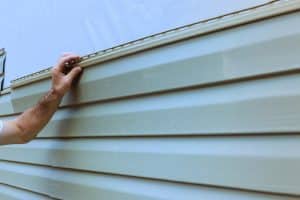 Your siding does more than give your home curb appeal. It acts as the first line of defense against moisture, pests, and heat loss. Even properly installed siding requires routine checks to maintain its protective function, according to InterNACHI, the International Association of Certified Home Inspectors. A basic walk-around inspection each season can extend the life of your siding by years and save you thousands in avoidable repairs down the road.
Inspections also help you stay ahead of energy efficiency problems. When siding warps, cracks, or pulls away from the wall, conditioned air escapes and utility bills climb. Spotting these gaps early keeps your home better insulated and your energy costs predictable all year long.
Most siding professionals recommend inspecting your siding at least twice a year, ideally in the spring and fall. You should also check it after any major storm, which is especially relevant in New Orleans, where hurricanes and tropical weather can cause sudden, significant exterior damage.
Spring inspections let you assess any damage left behind by winter weather, while fall checks prepare your home before the wetter, more unpredictable months ahead. Beyond those scheduled checks, there are a few other situations that should prompt an immediate look: rising energy bills with no clear cause, musty odors near exterior walls, and visible discoloration are all signs that something may be wrong beneath the surface.
If your siding is more than 15 years old, increase your inspection frequency. Older panels, whether wood or early-generation vinyl, are more vulnerable to wear and typically need closer monitoring as they approach the end of their expected lifespan.
The most common warning signs include cracked or warped panels, peeling paint, visible mold or mildew, gaps around windows and doors, and unexplained spikes in your energy bills. Catching any of these early keeps repair costs manageable and gives you more options before damage spreads.
Here are the key indicators to look for during a self-inspection:
Start your inspection around windows, doors, and any areas where siding meets roofline trim. These transition zones are where water and pests most often find a way through. Low areas near the foundation and the north-facing side of your home are also high-risk spots that deserve close attention.
New Orleans sits in one of the most demanding climates for exterior building materials in the country. High year-round humidity, intense UV exposure, and frequent severe storms all speed up the natural wear process, making routine siding maintenance more critical in Louisiana than in most other regions.
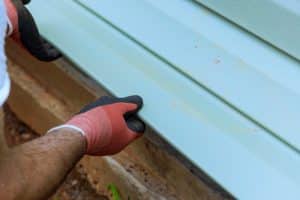 Wood siding absorbs moisture from the air and soil, making it vulnerable to rot and warping unless consistently sealed and repainted. Even moisture-resistant materials can develop problems when humidity stays elevated for weeks at a time.
Vinyl expands and contracts significantly in Louisiana’s temperature swings and may become brittle or discolored from prolonged sun exposure. UV exposure also fades surface coatings and weakens panel integrity over time.
Hurricanes and tropical storms force wind-driven rain into gaps and seams. Even panels that look intact after a storm may have shifted enough to break their weather seal.
Termites are especially active across Southeast Louisiana and can quietly compromise both wood siding and wall sheathing. Fiber cement siding is widely recommended along the Gulf Coast because it resists moisture, insects, and wind-driven rain far better than most other materials.
A solid maintenance routine includes annual cleaning, caulking inspections, and repainting or resealing on a schedule that matches your siding material. Sustained neglect over multiple seasons is what turns minor wear into major repairs.
Here is what that looks like by material type:
You should contact a siding professional any time you notice signs of structural damage, widespread moisture infiltration, rot, or pest activity. While minor cosmetic work can sometimes be tackled on your own, anything affecting the wall structure or covering large areas of your exterior requires professional assessment and repair.
Professionals can probe for soft spots and test for moisture trapped behind panels to determine whether a targeted repair will hold or whether replacement is the smarter investment.
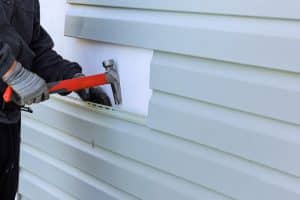 Water that reaches wall sheathing spreads fast and rarely shows on the surface right away. A professional can use moisture meters to map the full extent of infiltration before work begins.
Termites and carpenter ants cause damage that looks minor on the surface but runs deep. A professional inspection checks for hollow-sounding boards and entry points a homeowner walk-around typically misses.
A professional evaluation is worth scheduling before listing a home for sale, after any named storm, or when recurring issues like mold or drafts along exterior walls keep coming back. A full-service siding contractor can handle everything from single-panel repairs to complete exterior replacements.
Keeping your siding in good condition is one of the most direct ways to protect your home’s structure, maintain energy efficiency, and preserve its value over time. A consistent inspection schedule, paired with prompt attention to small issues as they appear, can extend the life of your siding by decades.
TurnKey Siding is a licensed, insured siding contractor serving New Orleans and surrounding communities throughout Louisiana, from Metairie and Kenner to Mandeville and beyond.
Call us today at 504-882-9704 to schedule your free estimate, and let our team take a look before a small issue becomes a large one.
Most siding professionals recommend a thorough inspection at least twice a year, in spring and fall. You should also inspect after any major storm, particularly hurricanes or high-wind events common in the New Orleans area.
The earliest warning signs include hairline cracks near panel edges, bubbling or peeling paint, gaps in caulking around windows or doors, and faint mold or discoloration near the base of exterior walls. Catching these early keeps repair costs manageable.
Yes, a basic visual walk-around is something most homeowners can do from the ground. Look for visible cracks, warping, missing panels, and soft spots near trim lines. For anything at height or involving suspected moisture damage, a professional inspection is safer and more thorough.
Lifespan depends heavily on material. Vinyl siding generally lasts 20 to 40 years, fiber cement can reach 50 years or more with proper care, and wood siding varies widely depending on how consistently it is sealed and painted. All materials last significantly longer with routine maintenance.
Yes. The Gulf Coast’s combination of high humidity, intense UV exposure, and hurricane season creates more wear on exterior materials than most inland climates. Wood siding is especially vulnerable to moisture-related rot and termite damage. Fiber cement and vinyl hold up better in Southeast Louisiana over the long term.
Standard homeowners insurance typically covers sudden storm or accident damage but not gradual wear from deferred maintenance. Staying current on inspections and minor repairs helps protect your coverage eligibility and reduces the risk of claim denials related to neglect.
Replacement is usually the smarter choice when damage covers multiple panels, when rot or moisture has reached the wall sheathing, when pest infiltration is widespread, or when the siding is near or past its expected lifespan. A professional evaluation gives you an honest cost-benefit comparison between the two options.
Contact us today for reliable and efficient Siding Solutions!
504-882-9704
 TurnKey Siding
  Mar 26, 2026


