Get The Right Approach For Your Siding Issues With Our Experts
Knowing how to deal with common siding problems and repairs can save homeowners time, money, and stress. In Louisiana’s humid and storm-prone climate, issues like cracks, warping, mold, or fading often appear. Recognizing and addressing these problems early helps prevent serious structural damage.
Routine checks will find those everyday siding issues, such as cracks, warping, moisture damage, and more, facilitating prompt repair and the avoidance of expensive fixes.
Surface changes, like peeling paint or blistering, tend to be a symptom of something else, like moisture trapped behind the surface or UV damage, and should be treated promptly.
Warped, misaligned, or otherwise distorted panels can be the result of shoddy installation, heat, or structural shifts and need to be evaluated with care.
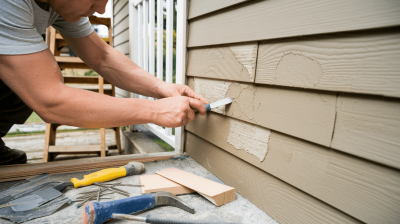
While DIY fixes, like patching small cracks and replacing damaged panels, work for minor issues, professional assistance is key for structural or extensive damage.
Selecting the appropriate siding for your home can greatly impact its protection and longevity, considering factors like climate, durability, and maintenance requirements.
DO – Prioritize safety during repairs. Use safety gear, secure tools, and avoid risky DIY repairs, particularly in high or hard-to-reach areas.
Identify Common Siding Problem
Siding problems can go from a minor cosmetic issue to a major structural threat. Addressing these issues earlier to repairs will grant you a sure avenue against them. Here are some common siding problems to monitor:
1. Surface Changes
Watch for peeling paint, chalky residue, and fading, especially in sunny areas. Bubbling paint may indicate trapped water, while a bubble or blisters may be an indication of serious structural damage.
2. Shape Distortion
Warping or buckling panels are often the result of bad installation or temperature changes. If boards are sagging, weak supports are implied; bulging may indicate moisture issues.
3. Physical Breaks
Cracks, splits, and holes are mainly due to weathering, aging, or direct impact. Loose nails and torn areas can destabilize panels, creating openings for water and pests.
4. Moisture Signs
Water Stains are usually the result of leaks, while mold is nurtured in a damp environment. Over time, wood siding can rot in the presence of excessive moisture, and bubbling or peeling paint is often a classic sign of water infiltration.
5. Pest Evidence
Miniature holes or chew marks may indicate an infestation of termites or carpenter ants. Nest debris close to siding and droppings near the basement show the need for rapid remediation.
Your Siding Repair Approach
There are several ways to repair siding damage. Regular cleaning and quick attention to minor issues help prevent costly problems later. Whether to repair or replace depends on the extent of the damage and the age of your siding.
DIY Fixes
Regular cleaning and quick attention to minor issues prevent expensive repairs later. Whether to repair or replace depends on the extent of the damage and the age of your siding.
When repairing siding, the first thing is safety. Put on protective clothing, gloves, and goggles. Set ladders up on a firm footing and do not work alone. Letting professionals take care of the tricky heights also prevents injuries from falls, while unsafe disposal of old materials is a must.
The Siding Material Factor
Choosing the right siding material is crucial, as each type has its own vulnerabilities depending on climate, cost, and maintenance. Here’s a quick look at common materials and their challenges.
Wood Vulnerabilities
Wood siding offers natural beauty but demands high maintenance. In humid areas, unsealed wood like cedar can absorb moisture, leading to rot, warping, and termite damage. Regular sealing, painting, and prompt repairs are essential to maintain its durability.
Vinyl Weaknesses
Vinyl siding is affordable and low-maintenance but has its drawbacks. It can become brittle in cold weather, warp in extreme heat, and fade with long sun exposure. Proper installation and care help extend its lifespan.
Fiber Cement Problems
Fiber cement is durable but prone to chipping or cracking if not sealed properly. It’s also heavy and labor-intensive to install, which can increase costs. However, when installed and maintained correctly, it offers excellent longevity and resistance to fire, pests, and harsh weather.
Metal Concerns
Metal siding is sturdy but not indestructible. It can dent or scratch during storms, and moisture may cause rust over time. UV rays can fade its color, and rain or hail often make it noisier. Since environmental impact varies by metal type, weighing the pros and cons is important before choosing.
Get The Right Approach For Your Siding Issues With Our Experts
The siding conflict happens to everyone, but what matters is how you handle it. Fast repair can bring much-needed protection to your property and restore its visual appeal. The siding material also plays a big role—each type has its pros and cons, and choosing the right one for your climate can save both time and money.


 TurnKey Siding
  Nov 4, 2025