Written by Turnkey Siding
Key Takeaways
- Fiber cement is mineral-based, so it doesn’t feed termites or absorb moisture the way wood does, which matters on humid, pine-shaded Covington and Mandeville lots.
- Engineered wood is lighter and easier to handle, often installs faster, and gives that warm real-wood grain many Northshore homeowners want.
- Both products are factory-primed and built to be painted, so neither one is a “never touch it again” siding; plan on repainting over time.
- Fiber cement usually carries a higher material and labor cost; engineered wood tends to sit a step below it on price while still outperforming bare lumber.
- The right pick depends on your priorities: maximum moisture and pest resistance leans fiber cement, while budget, weight, and quick installation lean engineered wood.
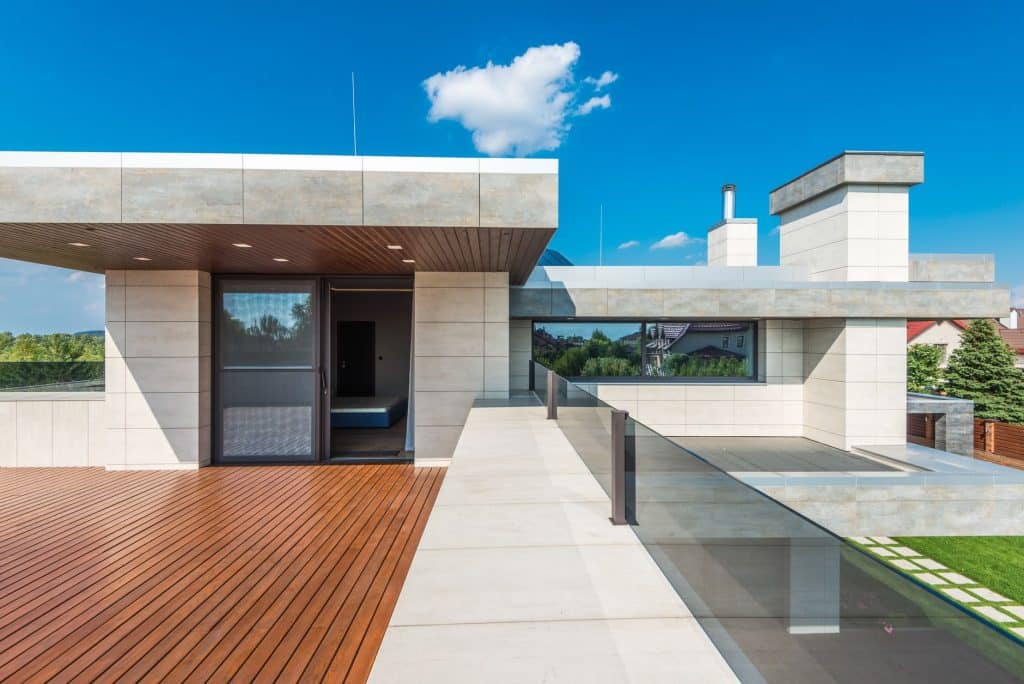
Fiber Cement or Engineered Wood: The Quick Answer
Quick Answer: For Covington and Mandeville homes shaded by pines and soaked in summer humidity, fiber cement siding gives the strongest defense against rot, swelling, and termites because it’s made from cement, sand, and cellulose rather than wood fiber. Engineered wood siding is the better fit when you want a lighter, faster-to-install product with a genuine wood look at a friendlier price, and you’re comfortable keeping up with paint maintenance. Neither is a bad choice on the Northshore; the decision comes down to how much you weight moisture resistance against cost and weight.
Why the Northshore Climate Changes the Math
Covington, Mandeville, and Madisonville sit in St. Tammany Parish where tall pines, oaks, and dense tree canopy keep a lot of homes in shade for much of the day. Shade is pleasant, but it also means siding dries out slowly after rain. Add the heavy summer humidity and the wind-driven rain that rolls through, and you get an environment where siding stays damp longer than it would on an open, sun-baked lot. The soil here is alluvial delta, and the real stressors on your walls are humidity, heat, and rain rather than anything blowing in off the coast.
That damp, shaded setting is exactly where the difference between fiber cement and engineered wood starts to show. Both products handle Louisiana weather far better than bare lumber, but they manage moisture in different ways. Here’s how each one behaves factor by factor.
Moisture and Rot Resistance
Fiber cement doesn’t absorb water the way wood-based products do. Because it’s a mineral composite, it won’t swell, cup, or rot when it stays wet, which is a real advantage on north-facing or heavily shaded Northshore walls. Engineered wood is built from wood strands bound with resins and treated to resist moisture, so it’s a big step up from old-school lumber siding. It still has a wood core, though, so proper installation, flashing, and paint upkeep matter more for keeping water out over the long haul. On a pine-shaded lot that rarely sees direct sun, fiber cement gives you more margin for error.
Pest and Termite Resistance
Termites are a fact of life in southeast Louisiana, and Formosan termites in particular are aggressive here. Fiber cement gives them nothing to eat; insects don’t bore into cement and sand. Engineered wood is treated to deter pests and resists them better than untreated wood, but because it still contains wood fiber, it’s worth staying on top of inspections and keeping siding well off the soil. If termite worry sits high on your list, fiber cement has the clear edge.
Weight and Installation
Engineered wood is noticeably lighter than fiber cement. That lower weight makes the planks easier to lift, cut, and fasten, which often means a quicker, less labor-intensive install. Fiber cement is heavier and more brittle, so it calls for more careful handling, specific cutting practices to manage dust, and an experienced crew to get the courses straight and the seams tight. We run our own crews and never subcontract, so the same trained team handles your siding from tear-off to final trim, which keeps either product going on correctly.
Maintenance and Repainting
Both sidings ship factory-primed and are designed to hold paint well. Neither is maintenance-free. Over the years, sun and weather will dull the finish on each, and you’ll eventually want to repaint to keep the color fresh and the surface sealed. Fiber cement holds paint for a long stretch and washes down easily. Engineered wood also paints nicely and refreshes well, though staying current on caulk and paint is a little more important since the core is wood-based. For routine care and any spot fixes, our siding repair and replacement services cover both materials.
Appearance and Texture
This is where engineered wood wins a lot of hearts. It carries a deep, authentic wood grain and a warmth that many homeowners love, and it cuts and trims like wood for crisp detail work. Fiber cement comes in smooth and wood-grain textures too and looks excellent, but some people feel the engineered product reads a touch more natural up close. Both come in long planks, shingles, and panel styles, so you can match a craftsman, traditional, or modern Northshore look with either one.
Warranty Expectations
In general terms, both fiber cement and engineered wood siding come backed by substantial manufacturer warranties on the product, with separate, shorter coverage on factory finishes. Warranty terms vary by brand and product line, and they almost always depend on correct installation, so the paperwork is only as good as the crew behind it. We’ll walk you through the specific coverage for whatever product line you choose rather than quote a number here.
Cost Positioning
On price, fiber cement usually sits at the higher end on both material and labor, partly because it’s heavier and more involved to install. Engineered wood typically lands a step below it while still offering durability well beyond plain wood. Vinyl is generally the lower-cost option of the common materials, but that’s a separate comparison; if budget is your main driver, read our breakdown of fiber cement versus vinyl siding. The gap between fiber cement and engineered wood is real but not huge, so for many homeowners the choice comes down to performance preferences rather than dollars alone.
Which One Fits Which Northshore Homeowner
Reach for fiber cement if your top priorities are maximum moisture and termite resistance, a long paint life, and the most durable shell you can put on a shaded, humid lot. It’s a strong match for homes tucked under heavy tree cover in Covington and Mandeville where walls stay damp. One popular fiber cement brand is covered in our guide to James Hardie siding.
Lean toward engineered wood if you want a genuine wood look, a lighter product that installs faster, and a slightly lower price while still getting performance far above bare lumber. It’s a great fit for homeowners who like the warmth of real wood grain and don’t mind keeping up with paint and caulk. If you’re drawn to the real thing, compare it with natural wood siding in Louisiana to see why so many Northshore owners pick an engineered product over solid lumber. Still weighing other exteriors entirely? Our look at brick versus siding covers that question.
Frequently Asked Questions
Is fiber cement or engineered wood better for a shaded Mandeville lot?
For a heavily shaded lot where walls dry slowly, fiber cement has the edge because it doesn’t absorb moisture or feed termites. Engineered wood still performs well there with good flashing and paint upkeep, so both can work; fiber cement just gives you more cushion in damp, low-sun spots.
Does engineered wood siding hold up to Louisiana termites?
Engineered wood is treated to resist termites and does far better than untreated lumber, but it still contains wood fiber, so regular inspections and keeping siding off the soil matter. Fiber cement gives termites nothing to eat, which is why pest-conscious Northshore homeowners often choose it.
Will I ever need to repaint either type of siding?
Yes. Both products are made to be painted and hold color for years, but neither is permanent. Expect to repaint down the road to refresh the look and keep the surface protected, with engineered wood needing a bit closer attention to paint and caulk because of its wood core.
Which costs more to install in Covington?
Fiber cement usually costs more on material and labor since it’s heavier and more involved to install. Engineered wood typically runs a little less while still delivering strong durability. The difference is real but moderate, so most homeowners decide based on performance and looks rather than price alone.
Get a Free Siding Estimate on the Northshore
Still deciding between fiber cement or engineered wood for your Covington or Mandeville home? Turnkey Siding installs all 8 major siding types with our own crews, never subcontractors, and we’re fully licensed in Louisiana (residential license #890459, commercial #3667). We serve the New Orleans metro plus Covington, Mandeville, Madisonville, Slidell, Hammond, and more. Call 504-882-9704 or request your free estimate, and we’ll walk your home, talk through both materials, and recommend the right fit for your lot and budget.