Written by Turnkey Siding
This article is general information about asbestos cement siding and the rules around it. It isn’t medical or legal advice. Before disturbing suspect material, talk with an accredited asbestos inspector and the Louisiana Department of Environmental Quality, and talk with your doctor about any health concerns.
Key Takeaways
- Asbestos siding removal in Louisiana starts with testing, because cement shingle siding on some older homes may contain asbestos and you can’t tell by looking.
- The U.S. Consumer Product Safety Commission says asbestos cement siding isn’t likely to release fibers unless it’s sawed, drilled, or cut, and that material in good condition is best left alone.
- EPA says the only way to be sure is testing by a qualified laboratory, with samples taken by a trained and accredited asbestos professional.
- Louisiana DEQ runs the state’s asbestos accreditation program, and federal and state exemptions for small residential buildings come with conditions worth confirming before work starts.
- Testing and abatement belong with accredited asbestos firms. Turnkey Siding’s part starts after that work is finished, with the new siding. Call 504-882-9704.
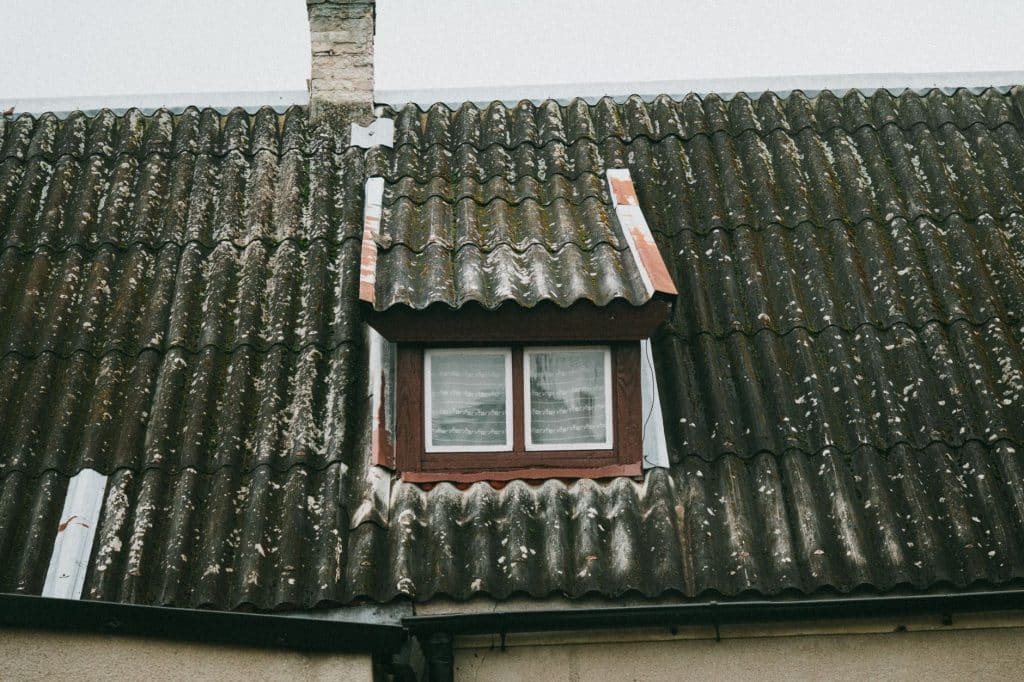
Asbestos Siding Removal in Louisiana: Why Does Testing Come First?
Quick Answer: If an older home in Metairie or River Ridge has cement shingle siding, don’t cut into it or tear it off until you know what it’s made of. EPA recommends testing suspect material when it’s damaged or when you’re planning a renovation that would disturb it, with samples taken by an accredited asbestos inspector and analyzed by a qualified lab. If it tests positive, an accredited firm handles removal under the rules that apply to your project, and then new siding can go on. If it tests negative, the job moves ahead under the usual permit and lead-safe rules for a re-side.
The first time many homeowners hear the word “asbestos” is when a siding estimate mentions it. That’s the right time to slow down, not the time to panic.
How to Recognize Cement Shingle Siding
The New Orleans Historic District Landmarks Commission’s guidelines describe asbestos siding as a popular wall surface starting at the beginning of the 20th century. The shingles were made from asbestos mineral fibers and portland or hydraulic cement. The HDLC notes they’re often embossed with a wood grain pattern, and its guide shows an example with a wavy bottom edge.
Typical clues include:
- Flat, rigid shingles laid in overlapping rows.
- A hard, brittle feel, with cracked corners instead of splintered edges.
- An embossed grain texture or a wavy or straight bottom edge.
- Rusting or loose nails, which the HDLC names as a typical failure point.
None of that confirms asbestos. The HDLC notes that non-asbestos fiber cement products can visually duplicate the traditional shingles, which is why testing matters. Don’t break off a piece to take to a lab yourself. CPSC recommends leaving sampling to trained professionals, because fibers can be released when material is disturbed.
Leave It Alone or Plan for Removal?
CPSC’s guidance for asbestos material in good condition is to leave it alone. Asbestos cement siding isn’t likely to release fibers unless it’s cut or drilled. If your shingles are intact and you aren’t planning exterior work, that may be the simplest path.
Things change when you want new siding. Installing over the old shingles still means driving fasteners through them, and removal means breaking them loose. Both disturb the material. If the siding is already cracked or missing in places, EPA’s advice to test damaged material applies too. The HDLC’s guidelines note that when more than 20 percent of the asbestos shingles on a wall surface are damaged or missing, replacing the wall material might be necessary, and that non-asbestos fiber cement products can visually duplicate the traditional shingles.
Our post on installing new siding over old siding covers the general trade-offs of layering. With suspect asbestos shingles, get the test results before that decision.
Which Rules Apply in Louisiana?
This is the part where specifics matter, so here’s what the primary sources say and where to confirm the rest.
Federal Rules
The federal asbestos emission standard, known as the asbestos NESHAP, applies to demolition and renovation of a “facility.” The definition at 40 CFR 61.141 generally excludes residential buildings with four or fewer dwelling units, and LDEQ’s version of that exemption comes with conditions, covered below. EPA also says federal regulations for renovating or demolishing asbestos-containing material don’t apply to a homeowner’s renovation of their own home, and that state or local rules may still apply.
Louisiana DEQ
The Louisiana Department of Environmental Quality oversees asbestos in the state. Its asbestos pages at deq.louisiana.gov describe an accreditation program covering asbestos inspection and removal work. LDEQ also describes an exemption for demolition or renovation of residential buildings with four or fewer dwelling units, with conditions. The building can’t be an installation or part of one, and the work can’t be part of a planned commercial or public project or involve intentionally burning the building. LDEQ takes questions about whether a specific project qualifies, so ask before work begins instead of assuming.
An exemption from one set of rules doesn’t answer every question. How the material is handled, packaged, hauled, and disposed of still matters, so ask your accredited asbestos firm and LDEQ how it has to be done on your project.
What About Health Risks?
CPSC explains that breathing high levels of asbestos fibers can increase the risk of lung cancer, mesothelioma, and asbestosis, and it also notes that most people exposed to small amounts don’t develop these problems. The risk comes from disturbing the material and releasing fibers. If you’re worried about past exposure, talk with your doctor.
Planning the Job on an Older Metairie or River Ridge Home
Once you know what you’re dealing with, the sequence on a Jefferson Parish home usually looks like this:
- Testing by an accredited inspector, with lab results in writing.
- Removal, if needed, by a firm with the right LDEQ accreditation. That firm works under the rules that apply to your project.
- Inspection of the wall once the old shingles are gone. Older shingles can hide rot around windows and at the bottom course, and our guide to signs of water damage behind siding covers what that looks like.
- New siding and permits. A full re-side may need a permit in Jefferson Parish, and our permit guide for New Orleans and Jefferson Parish explains how to check.
Two other checks come up on older homes. If the house was built before 1978, paid work that disturbs more than 20 square feet of exterior paint falls under EPA’s lead-safe renovation rule, which our post on siding an older shotgun house explains. And if the house has hardboard siding on other walls, our guide to spotting hardboard siding can help you sort that out too.
What Goes Back On
Fiber cement is a natural fit after asbestos shingles come off, since it keeps a cement-based look without the asbestos. For homes in River Ridge and Harahan, see our fiber cement siding services in River Ridge for options.
Frequently Asked Questions
Can I remove asbestos siding myself in Louisiana?
EPA says federal renovation rules don’t apply to a homeowner’s renovation of their own home, but state or local rules may. CPSC recommends that removal be done by people trained and qualified in handling asbestos. Check with LDEQ before deciding anything.
How do I get my siding tested?
EPA says samples should be taken by a trained and accredited asbestos professional and tested by a qualified laboratory. LDEQ’s accreditation program is the place to start looking for accredited inspectors.
Is asbestos cement siding dangerous if I leave it alone?
CPSC says it isn’t likely to release fibers unless it’s cut or drilled, and that material in good condition is best left alone.
Does Turnkey Siding remove asbestos siding?
Asbestos testing and removal belong with accredited asbestos firms. Once that work is complete, we install the new siding and handle the wall repairs that come with it.
Ready for New Siding After the Asbestos Work?
When your testing and any removal are done, we’ll inspect the exposed wall and quote the new siding in writing. Turnkey Siding serves Metairie and the surrounding east bank communities. Call 504-882-9704 or request a free estimate.