Written by Turnkey Siding
Key Takeaways
- For most New Orleans homes, late fall through late winter is the best time of year to replace siding, when drier, milder weather gives crews stable working conditions.
- Summer brings intense humidity, heat, and near-daily afternoon storms that can slow an install and push it off schedule.
- Atlantic hurricane season runs roughly June 1 to November 30, so planning ahead matters; you don’t want a half-finished wall when a storm forms in the Gulf.
- Spring is workable but rainy, and contractor demand climbs in spring and summer, which stretches lead times.
- Booking in the off-peak window often means shorter waits, easier scheduling, and a project that isn’t rushed.
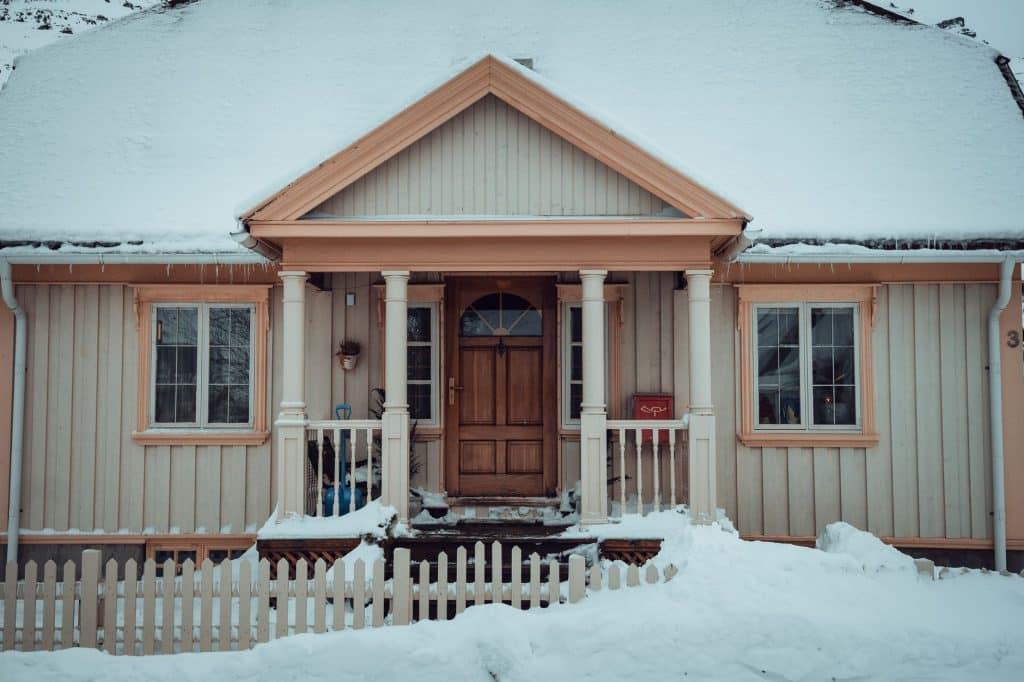
Quick Answer: When Is the Best Season to Replace Siding in New Orleans?
Quick Answer: The best season to replace siding in New Orleans is late fall through late winter, roughly November to February. Those months bring the area’s driest, mildest stretch, with fewer rain delays and lower humidity than summer. Crews work faster and more comfortably, products cure and seal the way they should, and you sit safely outside the busiest hurricane months. That said, siding gets installed here year-round. The right window depends on your timeline, the condition of your current siding, and how much flexibility you have. Below, we walk through each season so you can plan the job instead of reacting to a leak or a looming storm.
Fall: The Sweet Spot for Siding Replacement
Fall is hard to beat in southeast Louisiana. By October and November the worst of the heat and humidity eases, rain becomes less frequent, and daytime conditions settle into a comfortable range for outdoor work. That steadiness is exactly what a siding install needs. Fasteners, caulk, and panel seams set properly when crews aren’t fighting heavy moisture or a 2 p.m. downpour.
Why fall works so well
- Drier air means fewer weather stoppages and a more predictable finish date.
- Milder temperatures let crews keep a steady pace without afternoon heat shutting the day down early.
- You finish before winter cold snaps and well after peak storm activity, so the home is buttoned up for the year.
One caution: fall is popular for a reason, so calendars fill. If you already know your siding is failing, get on the schedule early. Not sure whether you’re past repair? Read up on the signs you need to replace your siding before you book, and if the issue is localized, the siding repair options in our guide may buy you time.
Winter: Mild, Quiet, and Often the Best Value
New Orleans winters stay mild compared to most of the country, which keeps siding work moving through December, January, and February. Hard freezes are rare and short. Rain still rolls through, but the long humid stretches of summer are gone, and the air is generally drier, which helps materials seal cleanly.
The scheduling advantage
- Demand dips after the holidays, so lead times shorten and it’s easier to lock a start date that suits you.
- Cooler, drier conditions are easy on crews and on the products going up.
- You’re comfortably outside hurricane season, so there’s no rush to beat a storm.
The main thing to watch is the occasional cold front or rainy week, which can nudge a start date by a day or two. We build a little slack into the plan for that. Because we run our own crews and never subcontract, we can shift a winter schedule without handing your project off to a stranger. For a realistic sense of how a few weather days affect the calendar, see our breakdown of how long a siding installation takes.
Spring: Workable, but Watch the Rain
Spring siding work is common, and the temperatures are pleasant. The catch is rain. March through May can be wet across the metro, and a soaked wall or a stalled crew adds days to the job. None of that rules spring out; it just means the timeline needs more flexibility built in.
Planning around spring weather
- Expect a few rain-related stops and book with that in mind rather than against a hard deadline.
- Demand starts climbing as homeowners line up projects for the year, so the earlier you reserve, the better.
- If you want the job done before hurricane season ramps up in June, spring is your last comfortable window.
Spring is also when a lot of people first notice winter damage on their walls. If that’s you, it’s smart to act before the summer rush rather than wait.
Summer: Hot, Humid, and Storm-Prone
Summer is the most demanding season for siding work in New Orleans. The heat is real, the humidity is heavy, and afternoon thunderstorms show up most days. Crews can absolutely install siding in summer, and we do, but the conditions slow the pace and raise the odds of a weather delay. High humidity can also affect how some products handle and set, so timing the dry parts of the day matters.
What to expect from a summer install
- Daily storm risk can interrupt work and stretch the calendar.
- Heat means crews often start early and adjust around the hottest, stormiest hours.
- This is peak demand season, so booking ahead is essential if you want a specific window.
Summer overlaps the front half of hurricane season too, which is the bigger planning concern. We cover that next.
Hurricane Season: Plan Ahead, Don’t Get Caught Mid-Project
Atlantic hurricane season runs roughly June 1 to November 30. For siding, the lesson isn’t to avoid those months entirely; it’s to plan so your home is never sitting exposed when a system spins up in the Gulf. An open wall is far more vulnerable than a finished one, and wind-driven rain is the real threat here, not coastal salt air, since the Gulf is 40 to 50 miles off and Lake Pontchartrain is brackish.
How to schedule smart during storm months
- Book early so the job is completed, not just started, before peak activity in late summer and early fall.
- Keep an eye on the tropics and stay flexible on start dates during active stretches.
- If your siding is already compromised, treat it as urgent; failing siding before a storm is a real exposure, and protecting the wall assembly is the whole point.
This is another place where running our own crews helps. We can move quickly when a weather window opens and finish the envelope before conditions turn.
How Season Affects Demand, Lead Times, and Cost
Weather is only half the story. Contractor demand swings hard by season, and that shapes how fast you can get scheduled. Spring and summer are the busy stretch, when calendars tighten and lead times grow. Late fall and winter are quieter, which usually means shorter waits and more start dates to choose from. Booking in that off-peak window gives you room to plan the job properly instead of squeezing it in before a deadline or a storm.
We install all 8 major siding types across the New Orleans metro plus Baton Rouge, Covington, Gretna, Hammond, Harahan, Kenner, LaPlace, Madisonville, Mandeville, Metairie, River Ridge, Slidell, and St. Rose, and we’re fully licensed (residential license #890459, commercial #3667). Pricing depends mostly on material, square footage, and the condition of what’s behind your current siding, not the calendar alone, though an unhurried off-season booking gives you time to compare options. For real numbers, see our guide to siding replacement cost in Louisiana.
Frequently Asked Questions
What is the best month to replace siding in New Orleans?
There’s no single perfect month, but the stretch from November through February tends to deliver the most reliable conditions: drier air, mild temperatures, fewer storm interruptions, and lighter contractor demand. Fall is a close runner-up. If your siding is failing, the best month is simply the soonest one you can book.
Can siding be installed during hurricane season?
Yes. Siding goes up throughout hurricane season, which runs roughly June 1 to November 30. The key is planning so the work is finished, not in progress, when a storm threatens. We watch the tropics, stay flexible on dates, and prioritize closing the wall assembly quickly when there’s an active system.
Is it cheaper to replace siding in the off-season?
Cost comes down mostly to material, square footage, and the condition behind your siding rather than the season by itself. That said, booking in the quieter late-fall and winter window means shorter lead times and a less rushed project, which gives you time to weigh materials and choices carefully.
How long does a siding replacement take in New Orleans?
Most homes take several days to a couple of weeks depending on size, siding type, and weather. Summer and spring rain can add days, while drier fall and winter conditions keep things on track. Our installation timeline guide walks through what to expect day by day.
Ready to Plan Your Siding Replacement?
Whatever the season, the smartest move is to plan ahead so the job is done right and your home is protected before the next storm rolls through. Our own crews handle every install across the New Orleans metro, and we’ll help you pick a window that fits your timeline and the weather. Call 504-882-9704 or request a free estimate today, and we’ll get you on the calendar.