
Call For Free Estimate
Call For Free Estimate

Wood siding offers timeless beauty, excellent insulation, and high resale value, making it a popular choice for custom homes. However, it requires significant, recurring maintenance to prevent rot, pest, and moisture damage.
Wood siding is one of the oldest and most recognized exterior cladding options in North America, and it remains a popular choice for homeowners who want a natural, warm appearance that no synthetic material fully replicates.
But before committing to a full installation, it pays to understand exactly what you are signing up for: the real benefits, the genuine drawbacks, and the costs that come with both. At TurnKey Siding, we serve homeowners throughout New Orleans and the surrounding Gulf South region with expert siding installation, replacement, and repair.
If you are weighing wood siding against other options, contact us today for a free consultation.
Wood siding offers natural beauty, design flexibility, and environmental credentials that most manufactured alternatives cannot match. It accepts paint and stain in virtually any color, works across a wide range of architectural styles, and is made from a renewable resource.
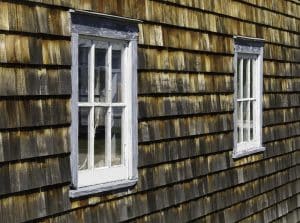 Cedar, redwood, and pine all carry natural grain patterns and warmth that vinyl and fiber cement can approximate but not duplicate. This visual quality tends to resonate well with buyers in historic districts and traditional neighborhoods, where the authenticity of natural materials carries real weight.
Wood is one of the most workable siding materials available. Contractors can cut, shape, and install it in profiles ranging from classic lap siding to board and batten to shiplap, giving homeowners far more design options than most alternatives allow.
Wood is biodegradable and, when sourced responsibly, renewable. Products certified by the Forest Stewardship Council (FSC) confirm that the timber came from sustainably managed forests, which matters for homeowners focused on green building practices.
Those advantages come with a trade-off. Wood siding requires more ongoing maintenance than vinyl, fiber cement, or metal alternatives, and without regular attention it can rot, warp, or crack within a few years.
Wood expands when wet and contracts when it dries, and this repeated movement stresses the boards, paint, and sealant over time. In the Greater New Orleans area, where humidity stays above 75% for most of the year, unprotected wood siding can begin to show water damage faster than in drier climates.
Termites and wood-boring beetles are active throughout Louisiana, and untreated or improperly sealed wood siding gives them an easy entry point. Pressure-treated pine offers some resistance, but it does not eliminate the risk entirely.
Wood siding typically needs repainting or restaining every three to seven years, plus annual inspections for cracking, peeling, and moisture intrusion. Skipping this cycle accelerates deterioration rapidly.
Understanding the maintenance demands is one part of the decision, and understanding the numbers is the other. Wood siding generally costs more to install and maintain than vinyl, and material costs typically run between $3 and $10 per square foot, with cedar and redwood at the higher end and pine at the lower end.
 Installation labor: In New Orleans, contractors often recommend additional steps such as moisture barriers and pressure-treated substrates, adding to the upfront cost. Over a 20-year period, total cost of ownership tends to run higher than vinyl due to repainting and refinishing cycles.
If wood is the right call for your home, species selection matters more in the Gulf South than in most other regions. Cedar and redwood are the best-performing options for humid climates like New Orleans, as both contain natural oils and tannins that resist moisture, rot, and insect damage without heavy chemical treatment.
Cedar is the most widely used species for residential siding in the South because of its stability, insulating properties, and natural resistance to decay. Western red cedar, in particular, is rated Class II for durability by the American Wood Protection Association (AWPA), making it a solid choice for Gulf Coast installations.
Redwood is the premium option. Its natural preservatives make it exceptionally stable, and it holds paint and stain longer than most other species. The higher upfront cost reflects both its scarcity and its long-term performance.
Pine siding, especially pressure-treated pine, is a budget-friendly alternative that works well when properly maintained. The key word is maintained: in New Orleans’ humidity, untreated pine left without a fresh coat of sealant for more than a season will begin to absorb moisture.
Knowing the species is only part of the picture. Wood siding can work well in New Orleans and across the Gulf South, but it requires a realistic commitment to upkeep, and homes in historic districts, craftsman-style neighborhoods, or properties where authenticity matters most tend to get the best return from it.
 Climate demands: The Gulf South’s combination of heat, humidity, tropical storms, and active termite populations creates a demanding environment for any exterior material. Wood is not disqualified by those conditions, but it requires a contractor who understands local climate performance and uses the right species, moisture barriers, and finishing techniques from the start.
Wood siding rewards homeowners who go in with clear expectations. The beauty is real, the design flexibility is unmatched, and for the right home in the right neighborhood, it is one of the most satisfying exterior choices you can make. The maintenance demands are just as real, though, especially in a climate as punishing as New Orleans.
If you have worked through this guide and are still weighing your options, that is exactly the right place to be. A conversation with a licensed contractor who knows Gulf South conditions is the most efficient way to move from “maybe” to a decision you will feel good about years from now.
At TurnKey Siding, we are New Orleans’ trusted siding contractor, licensed and insured, with hands-on experience installing wood, fiber cement, vinyl, and more across the Greater New Orleans area. Call us today at 504-882-9704 for a free estimate.
With proper maintenance, cedar and redwood siding can last 20 to 40 years. Pine siding typically lasts 15 to 25 years. In humid climates like New Orleans, lifespan depends heavily on regular refinishing and prompt attention to any signs of moisture damage.
Yes, in most markets. The National Association of Realtors reports that exterior siding upgrades consistently rank among the top remodeling projects for return on investment. In neighborhoods with historic character or where natural materials are expected, wood siding can add meaningful value compared to vinyl alternatives.
Most wood siding requires repainting or restaining every three to seven years depending on the species, the quality of the original finish, and local climate conditions. In New Orleans, the high humidity and UV intensity tend to push that cycle closer to the three-to-five-year range.
In some cases, yes. However, most siding contractors recommend removing old siding first so the moisture barrier and substrate can be inspected and corrected before installation. Installing over failing material traps problems behind the new siding.
A high-quality acrylic exterior paint or penetrating oil-based stain with a UV-blocking additive performs best in humid subtropical climates. The finish should be applied over a compatible primer, and any exposed end grain should be sealed at the time of installation to prevent moisture wicking.
Fiber cement siding requires significantly less maintenance than wood. It does not rot, warp, or attract insects, and its factory-applied finish typically lasts 15 years or more before repainting is needed. Homeowners who want the look of wood with lower upkeep should consider fiber cement as a primary alternative.
Wood siding can withstand hurricane conditions when properly installed with corrosion-resistant fasteners, a solid moisture barrier, and adequate nailing patterns. That said, fiber cement and metal siding generally perform better under extreme wind loads and flying debris. A licensed contractor familiar with Louisiana building codes can advise on the right installation approach for your area.
Contact us today for reliable and efficient Siding Solutions!
504-882-9704
 TurnKey Siding
  Mar 13, 2026