

Call For Free Estimate
Call For Free Estimate

1. Key Takeaways
2. Why Siding Matters
3. The Case for Sustainable Materials
4. Comparing Siding Options
5. Energy Efficiency and Cost Savings
6. Long-Term Value and Lasting Peace of Mind
There are a few benefits of putting green siding on your house. Engineered wood and fiber cement are also stronger and able to resist the storms of Louisiana and the heat without any significant maintenance. They are energy efficient, so your utility bills will be reduced, and so will your carbon footprint.
Siding can also make your house look better and increase its value. Safety and attractiveness are given through the utilization of the appropriate materials. Restyle your house with TurnKey Siding! Our experts will make your street view and protect your investments. Make a call to set a free consultation and bring your dream home to life!
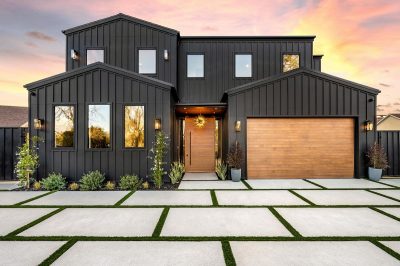
Siding is not beautification; it is the need to secure protection, insulation, and the beauty of a house. In the case of siding, there is a need to use effective siding materials that are sustainable and durable to provide the homeowner with long-term benefits and promote environmental stewardship.
The importance of siding is also noted in protecting your house against the weather, pests, and energy consumption. Fibre cement and vinyl are durable materials that can resist rain and wind, the sun, and neither fade nor crack.
Most siding materials are also designed with insulation, which reduces power bills and maximizes comfort during all seasons. Fiber cement also deters termites and pests, helping protect your home against structural damage.
The addition of new siding or new siding to cover old siding immediately improves a piece of property. New siding is available in a vast array of colors and designs with durability and one-of-a-kindness. As an example, wood-look fiber cement has the appearance of wood with no upkeep.
Excellent siding retains its color and finish for decades, and your house is still new. Enhanced curb appeal can increase property value, and fresh siding is a good investment with a return on investment of 69% to 85%.
Repairing the siding can also expose such problems as water or termite leaks, which will allow you to avoid expensive repairs in the future. Durable fabrics such as fiber cement or composite will work very well as water barriers. With such maintenance, these materials can last 50 to 60 years, and so your home can have the long-term protection that it requires.
When you are intending to go on a siding project, the use of sustainable siding presents a combination of environmental, economic, and health benefits. There is more to this siding decision than appearance; it is a significant step in the production of a friendly home with overall sustainability.
Renewable siding, such as aluminum, steel, and fiber cement, can be recycled and reused, wasting less material and cutting down on the demand for new material.
Another example, aluminum siding, reflects the rays of the sun, thus making houses cool during hot weather days, thereby saving energy and emissions.
Secondly, durable materials such as metal and composite siding can endure extreme weather conditions, last longer, and require fewer replacement cycles.
Sustainable materials are less costly to utilize in the short term. Green siding offers more insulation, keeping houses warmer in the winter and out of the house in the summer, and cutting utility bills. The sustainable siding house is more expensive since it is what the customers want.
Durable materials like aluminum and fiber-cement increase property value, whereas steel and copper are durable and do not rust or easily break, which is cost-saving in the long run when it comes to repairing and replacing materials.
Sustainable siding isn’t only better for the environment — it’s safer for residents, as well. Many of them are treated with mold/mildew and bug repellents, which compromise air quality.
They make an excellent selection for cleaner homes.
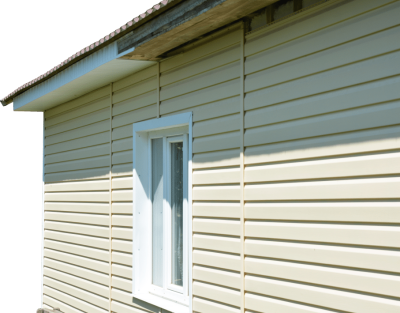
Selecting a product type of siding material is essential in the attainment of increased curb appeal, impressiveness, stability, and environmental sustainability. One can mention the advantages of any kind of siding, which will give people an opportunity to make a decent decision.
There is no siding that can match the beauty and classic appeal of wood. Cedar and redwood are some of the favorites due to their resistance to decay, but they have to be resealed or stained every few years. Without it, you become a sitting duck to rot, parasites, or UV erosion.
Composite wood, a combination of wood fibers and resins, provides a stiffer substitute. It copies wood’s look but cuts maintenance—a great compromise for siding lovers who want to have their cake and eat it too.
Fiber cement siding is highly durable – it can last 50 years or more easily, and not much maintenance is needed. Composed of a mixture of cement, sand, and cellulose fibers, it is not easily affected by moisture, insects, or fire and thus suitable for any climate.
The best thing is that it can duplicate other materials, e.g., wood or stone, but it is significantly stronger. It has a longer maintenance cost-free span than other metals or vinyl, which outweighs the higher cost outlay of installation.
This material is particularly popular because of its green value, and numerous manufacturers incorporate recycled materials into their products.
Metal siding, particularly aluminum, is strong and light and will not rust when properly coated. Its shiny surface encourages energy efficiency through heat deflection, a benefit to more temperate climates.
Aluminum is relatively simple to install and repair on your own, a definite advantage to those who like to do it themselves. It is also prone to denting and may not be quite as multi-functional.
Vinyl siding continues to be among the least expensive and lowest-maintenance. With its relatively affordable price tag—$5,000 for an average home to start—and 40-year life expectancy, it remains desirable.
It has to be installed properly – edges that aren’t sealed can crack or cause moisture damage. For the alternative-minded, options such as insulated vinyl or composite siding provide increased energy efficiency and longevity at about the same cost.
The choice of sustainable and long-lasting siding will also make your property more energy efficient and save you money. Exterior siding ensures the interior temperature is regulated, providing long-term energy savings.
Effective siding makes an improved insulator that reduces winter heating from inside the house and cools the house in summer conditions, especially in severe weather conditions. This type of siding will lessen the load on the HVAC and energy consumption, and so it is assumed to be friendly to the environment.
Homeowners can save up to 15% on utility bills each year, amounting to hundreds of dollars. A U.S. study shows insulated walls have saved homeowners $20 billion annually since 1995. Although the upfront cost is higher, these materials are a smart investment that pays off in a few years.
Energy-efficient siding not only saves on bills but also adds value to the property by 3-5%, as consumers like modern, green attributes in homes. Additionally, durable siding saves on maintenance costs down the road.
There are many benefits to having your siding replaced with materials that are long-lasting and green. It will shield your house, prevent energy wastage, and increase home attractiveness. The new siding is both energy-efficient and weather-proof, and the eco-friendly materials used are low-maintenance and friendly to the planet. Siding secures the house and gives it value.
We may also help you in terms of siding options or give professional advice on the same, provided you need it. To nail home the curb appeal, call today! TurnKey Siding provides durable and aesthetically appealing ones. Give us a free consultation call, and we will make your dream home a reality!
Contact us today for reliable and efficient Siding Solutions!
504-882-9704 TurnKey Siding
  Aug 8, 2025


