
Call For Free Estimate
Call For Free Estimate

1. Key Takeaways
2. Why Siding Inspections Matter
3. How Often Should You Inspect Siding?
4. Warning Signs Your Siding Needs Attention
5. DIY vs. Professional Siding Inspections
6. Steps to Take After a Siding Inspection
7. Benefits of Quality Siding and Regular Care
8. Why Regular Siding Inspections Matter and How Often You Should Schedule Them
In humid states like Louisiana, siding takes a beating. Moisture, heat, storms, and time all take their toll. That’s why regular siding inspections aren’t optional—they’re essential. Finding symptoms of warping, cracking, or water entry early prevents expensive repairs down the road.
TurnKey Siding assists homeowners in staying ahead of the competition through professional advice on how to guard their houses with timely inspections. Learning why siding inspections are important and how frequently you should get one not only saves you money but also prolongs a house’s outer lifespan. If you’re unsure when your siding was last checked, it’s a good time to ask. Give us a call or send a quick message—we’re ready when you are.
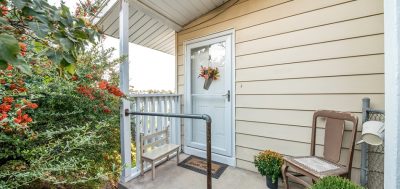
In Louisiana’s harsh weather, inspection of siding is crucial in keeping the homes’ strength and beauty intact. Siding inspections avoid issues and save money, time, and hassle as soon as they show up.
Siding offers defense against the outer forces within your home. In the event of inspection, minute cracks or breaches are found, leading to the seepage of water, resulting in mold development and wood rotting. Routine checks can safeguard your residence and ensure its integrity.
Minor siding defects may cost between $200 and $600 to repair early. In case they are not repaired, repairs range between $1,500 and $5,000, and replacements may exceed $7,000. Routine checks prevent these expensive complications.
Gasps and siding cracks permit air leakage, increasing energy bills. Inspections locate these spots so that sealing and repairs can enhance insulation while decreasing heating and cooling bills.
Siding affects the look of your house. Worn or deteriorated siding reduces curb appeal and value. Periodic inspections keep it free from dirt and looking attractive, which is good if you are selling.
Weather, material, and age of the house all influence how often the siding must be inspected. In areas such as Louisiana, where storms and humidity are common, regular inspections are necessary.
In humid, storm-prone Louisiana, siding takes a lot of wear. Checking after storms and each season is important. South-facing walls get more sun damage and need extra attention.
New siding will require fewer inspections, but signs of trouble early on should still be watched out for. Older siding, particularly with visible signs of wear such as cracks or discoloration, should be inspected more frequently.
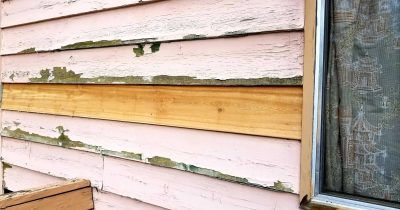
Catch siding damage early to protect your home. Louisiana weather can cause serious problems, so regular inspections and prompt repairs make a big difference.
These tend to crop up following storms or excessive sun exposure. Bubbling tends to indicate that water has become trapped under the surface, a common occurrence in humid areas.
Fading often results from UV damage. Mold or mildew growth indicates trapped moisture, which can pose health risks and further damage siding if left unaddressed.
A sudden spike in energy costs could be due to drafts from damaged siding. Inspections can help close those gaps, improving comfort and efficiency.
Warping or soft spots around windows or seams signal possible water infiltration. Inspections can catch these early before decay spreads.
Loose or cracked panels can let in insects or rodents. Prompt repairs after inspection prevent infestations.
DIY siding inspections can detect surface problems, but professionals employ equipment such as infrared imaging and moisture meters to detect concealed damage. While more expensive, professional checkups can stave off larger repairs and pay for themselves in the long run.
Siding shields homes from Louisiana’s tough weather. Without regular checks, problems can build up and damage your home’s appearance and structure. Here are the risks of ignoring siding care.
Small cracks can let in water, which leads to rot or mold. Pests can enter through gaps. Problems that start small often grow unnoticed without inspections—until repairs become expensive.
Loose siding or broken panels reduce your home’s defense against storms. In places like Louisiana, this can lead to leaks, weakened walls, and interior damage.
Curb appeal matters. Damaged siding makes a home less attractive to buyers and lowers its resale value. Inspections keep everything in check, so the value doesn’t drop.
After a siding inspection, fix small issues quickly, consider replacement if damage is extensive, hire qualified contractors, and set a maintenance schedule to protect the siding long-term.
Long-term savings, energy efficiency, and weather resistance improve through well-preserved siding. In Florida, it boosts the exterior beauty of a house so it can retain its value, protects it from major weather damage, and saves energy through sealed openings.
Keeping up with siding inspections is a simple way to avoid costly repairs and maintain your home’s beauty. It’s a small effort that pays off in big protection and savings. By staying proactive, you also extend the life of your siding and prevent hidden issues from getting worse over time. Regular checkups can save you both time and stress down the road.
Let us help you stay ahead of any siding issues with our expert inspections tailored to your home’s needs. Reach out to us at TurnKey Siding, and together we’ll keep your home safe and looking its best all year long.
Contact us today for reliable and efficient Siding Solutions!
504-882-9704
 TurnKey Siding
  Aug 7, 2025