Written by Turnkey Siding
Key Takeaways
- Soffit is the underside of your roof overhang; fascia is the vertical board along the roof edge where gutters mount. Together with siding, they seal the gap between your roof and walls.
- In New Orleans, high humidity and storm-driven rain make sound soffit and fascia essential for keeping water and pests out of your attic and walls.
- Soffit vents let your attic breathe, which controls moisture, lowers cooling costs, and protects the roof deck from rot.
- Sagging panels, peeling paint, water stains, and pest activity are early warning signs that soffit or fascia needs attention.
- The smart time to repair or upgrade soffit and fascia is during a siding project, while access, scaffolding, and crews are already on site.
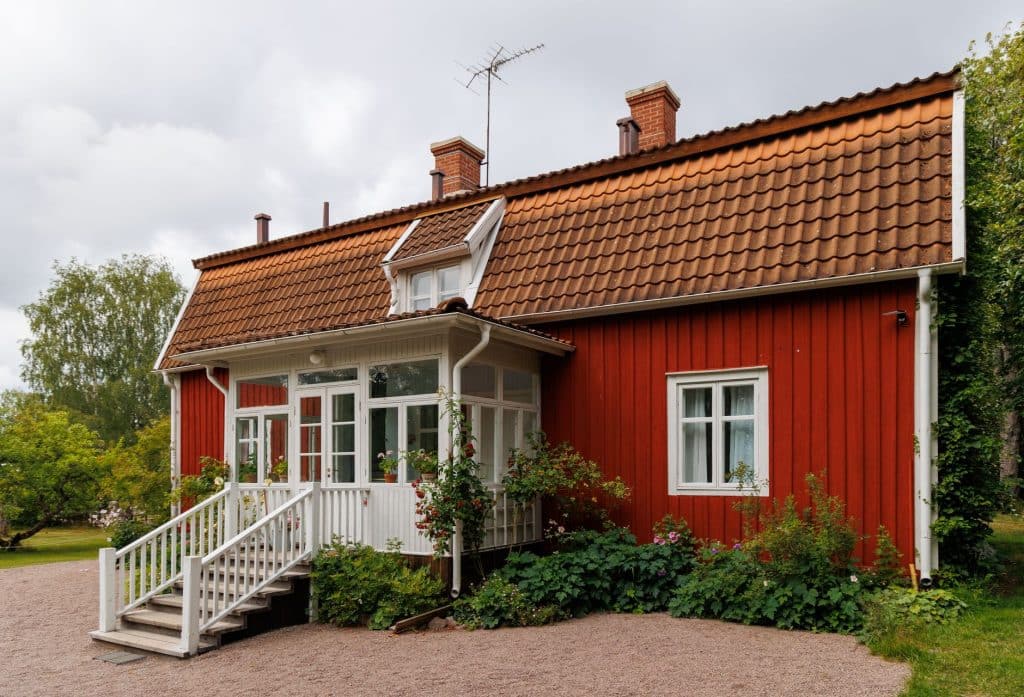
What Soffit and Fascia Actually Do for Your Home
Quick Answer: Soffit and fascia close off the edges of your roof and work with your siding to keep water, pests, and heat out of your home. Soffit is the panel under your roof overhang, fascia is the trim board along the roof edge, and both protect the most vulnerable seam on the exterior. Keeping them sound matters even more in a humid, storm-prone city like New Orleans.
At a Glance
- Soffit is the horizontal underside of the roof overhang, often vented to allow airflow into the attic.
- Fascia is the vertical band that runs along the lower edge of the roof and supports your gutters.
- Siding covers the walls; soffit and fascia finish the roofline where the walls meet the roof.
- Vented soffit pulls fresh air into the attic, which helps push hot, moist air out through ridge or gable vents.
- Common materials include vinyl, aluminum, fiber cement, and wood, each with different durability in Gulf Coast weather.
- Turnkey Siding installs all 8 siding types and handles soffit and fascia in the same project, so one company covers the full exterior.
Soffit, Fascia, and Siding: Three Parts of One System
Picture the outside of your house as a continuous shell. The siding wraps the walls. The roof caps the top. Where those two meet, there’s a gap, and that gap is where soffit and fascia come in.
Fascia is the long board you see running horizontally along the edge of the roof. Your gutters bolt straight into it, so it carries real weight every time it rains. Soffit is the surface tucked underneath the overhang, the part you look up at when you stand close to the wall and glance toward the roof. When all three layers are installed and sealed correctly, water runs off the roof, into the gutters, and away from your foundation. Pests stay outside. Air moves through the attic the way it should.
When one part fails, the others suffer. A rotted fascia board lets gutters pull loose, which dumps water against the wall and behind the siding. Once moisture gets behind siding, the damage spreads fast. If you want to understand how that hidden water moves, read our guide on the signs of water damage behind siding before small problems turn into framing repairs.
Why This Matters So Much in New Orleans
New Orleans throws a lot at a roofline. Summers are hot and wet. Storm season brings wind-driven rain that comes at the house sideways, not just straight down. That kind of rain finds any weak seam, and the seam between roof and wall is a prime target.
High humidity adds a second problem. Damp air that sits in a poorly ventilated attic condenses on the underside of the roof deck and on framing. Over time that moisture feeds rot and mold. Sound soffit and fascia, paired with proper attic ventilation, keep that humid air moving instead of letting it settle and do damage. Your home stays drier, your attic stays cooler, and your roof structure lasts longer.
Warning Signs Your Soffit or Fascia Needs Attention
You don’t need a ladder to catch most of these. A slow walk around your house once or twice a year is enough. Look for:
- Soffit panels that sag, buckle, or have gaps where they should sit flush.
- Peeling, blistering, or flaking paint on fascia boards, a sign that moisture is trapped underneath.
- Brown or black water stains streaking down the fascia or along the soffit.
- Gutters that pull away from the roofline or hang at an uneven angle.
- Soft or crumbling wood you can press a finger into, which usually means rot has set in.
- Birds, wasps, squirrels, or insects getting into the overhang, often through a small hole that grows.
Any one of these is worth a closer look. Two or three together usually mean it’s time to act before the problem reaches the framing or the attic.
Material Options for Soffit and Fascia
The right material depends on your budget, your home’s look, and how much weather it has to stand up to. Here’s how the common choices compare in a Gulf Coast climate.
Vinyl resists moisture, never needs paint, and handles humidity well, which makes it a popular pick around New Orleans. Vented vinyl soffit is an easy way to add attic airflow.
Aluminum won’t rot or rust, holds a baked-on finish for years, and bends to fit trickier rooflines. It’s a solid match for fascia that carries gutter weight.
Fiber cement stands up to moisture, pests, and storm impact, and it can be painted to match your siding exactly. It costs more up front but earns it back in lifespan.
Wood gives the most traditional look and suits historic homes, but it needs sealing and repainting on a schedule to survive humidity. Skip the upkeep and it rots faster than the alternatives.
Costs vary with material, home size, and how much repair the existing structure needs, so the best move is an on-site look rather than a guess. You can compare your full exterior options in our siding replacement guide for New Orleans.
Why You Should Address Soffit and Fascia During a Siding Project
Timing saves you money here. During a siding replacement, the crew already has scaffolding up, the roofline is exposed, and the old materials are coming off anyway. Repairing or upgrading soffit and fascia at that moment costs far less than calling someone back to do it as a separate job months later.
There’s a quality reason too. Soffit, fascia, and siding all tie into the same flashing and trim details. When one company plans and installs all three at once, the seams line up, the water paths make sense, and nothing gets left as a weak point. Turnkey Siding handles the entire exterior in house with no subcontracting, so the roofline and the walls are designed to work together from the start. We’re dual-licensed for residential work (#890459) and commercial work (#3667), and we serve homes across the New Orleans metro and 13 surrounding cities. See the full list on our service areas page.
Ventilation and Moisture: The Part Most People Miss
Soffit isn’t just trim. Vented soffit is half of a balanced attic ventilation system. Cool air enters low through the soffit vents, warms as it rises, and exits high through ridge or gable vents, carrying heat and moisture out with it.
Block that intake and the system stalls. Heat builds up under the roof, your air conditioner works harder, and damp air has nowhere to go. In a humid climate, stalled airflow is how attics grow mold and roof decks start to rot from the underside. Keeping soffit vents clear and intact is one of the simplest, cheapest things you can do to protect both your roof and your energy bill.
Frequently Asked Questions
What’s the difference between soffit and fascia?
Fascia is the vertical board running along the edge of your roof, the surface your gutters attach to. Soffit is the horizontal panel underneath the roof overhang. Fascia faces out, soffit faces down, and both seal the gap where your roof meets your walls.
Can I replace soffit and fascia without replacing the siding?
Yes, they can be replaced on their own. That said, if your siding is also aging or showing water damage, doing both at once is usually smarter and cheaper, since the access and crews are already in place and the details tie together.
How do I know if my soffit or fascia is rotting?
Look for sagging panels, peeling paint, water stains, soft wood you can press into, and pests getting into the overhang. If you spot any of these, have it inspected before the damage reaches the framing or attic.
Does soffit ventilation really affect my energy bills?
It can. Vented soffit lets cooler air flow into the attic and push hot, humid air out. Without that intake, heat builds up under the roof and your cooling system runs harder, which shows up on your bill, especially during a New Orleans summer.
What soffit and fascia material lasts longest in New Orleans?
Vinyl, aluminum, and fiber cement all handle humidity and moisture far better than untreated wood. The best choice depends on your home’s style, your budget, and how the roofline is built, which is why an on-site look beats a one-size answer.
Protect Your Roofline With a Free Estimate
Sound soffit and fascia keep water out, pests away, and your attic breathing the way it should. If you’re planning siding work or you’ve spotted any of the warning signs above, the best time to handle it is now, before small damage spreads. Turnkey Siding covers your full exterior with one in-house team, no subcontracting, across New Orleans and 13 nearby cities. Call us at 504-882-9704 or request your free estimate online, and we’ll take a look at your roofline.