Written by Turnkey Siding
Key Takeaways
- Stucco and lap siding can both work on New Orleans homes, but they behave very differently in heat, heavy rain, and storm-driven wind.
- Moisture management is the deciding factor here. Stucco holds water against the wall if it cracks, while properly lapped siding sheds rain off the surface.
- Fiber cement and vinyl tend to handle hurricane debris and humidity better than traditional stucco on most local homes.
- Stucco still fits certain Spanish, Mediterranean, and historic architectural styles where lap siding would look out of place.
- The right choice depends on your home’s design, your exposure to wind and flooding, and how much upkeep you want to do over the years.
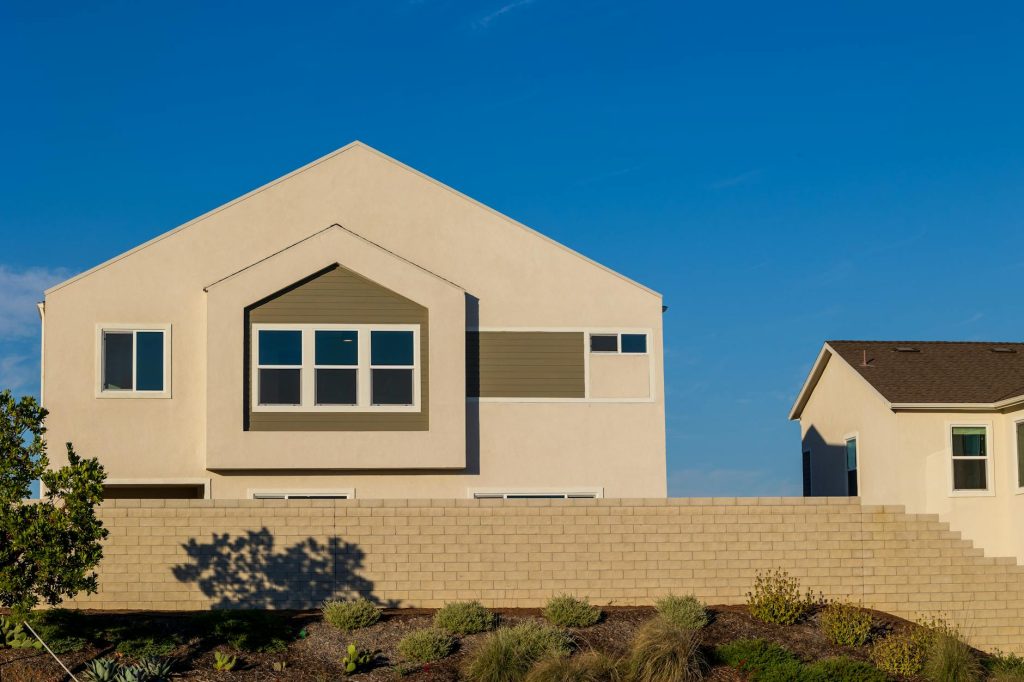
Stucco vs Siding in New Orleans: The Short Version
Quick Answer: For most New Orleans homes, lap siding such as fiber cement or vinyl holds up better than stucco against our humidity, wind-driven rain, and storm debris because it sheds water off the surface and flexes with the building. Stucco can perform well too, but only when it stays crack-free and the wall behind it can dry out. The best fit really comes down to your home’s style and exposure.
At a Glance
- Our climate brings high humidity, long heat, frequent heavy rain, and hurricane-season wind that pushes water sideways into walls.
- Stucco is a hard cement-based coating applied over a substrate; lap siding installs as individual boards or panels that overlap.
- Cracks are the main weakness of stucco in this region because they let water sit inside the wall assembly.
- Fiber cement and vinyl siding both resist moisture well and are common on homes from Metairie to Slidell.
- Stucco usually carries a higher install cost than vinyl and sits near or above fiber cement, depending on the finish.
- Turnkey Siding installs both stucco and every other siding type, so we have no reason to push one over the other.
Durability in Humidity and Storms
This is where the two systems split. Lap siding is built to flex a little. When wind hits the wall and the structure shifts, overlapping boards move with it. Fiber cement is dense and impact-resistant, which matters when a storm throws a branch or loose debris at your wall.
Stucco is rigid. That rigidity looks great until the house settles or a strong gust flexes the framing. Then you get hairline cracks, and once water finds those cracks, it stays there. In a dry climate that’s a minor cosmetic issue. In New Orleans, trapped moisture invites rot and mold behind the wall. Stucco can absolutely survive storms when it’s installed over a proper drainage plane and kept sealed, but it asks for more attention than most homeowners expect.
How Each One Handles Moisture
Rain here doesn’t fall straight down during a storm. It drives sideways. Lap siding is designed for exactly that. Water runs down the face and off the bottom edge of each board, and the wall behind it can breathe and dry.
Traditional stucco is more absorbent. A good system includes a weather-resistant barrier and a way for water to escape, but if that detail was skipped or has aged out, moisture can build up inside the assembly. On our older homes especially, we sometimes find stucco applied over walls that were never set up to drain. That’s the situation that leads to soft sheathing and interior damage. If you’re weighing options, our fiber cement siding for New Orleans homes page covers how that material manages local moisture.
Maintenance Over the Years
Vinyl asks for the least. An occasional rinse keeps it looking right, and it never needs paint. Fiber cement needs repainting every so often and a check on the caulk lines, but it’s low fuss between those.
Stucco needs the most watchfulness. You want to catch cracks early and seal them before water gets in, and the finish may need recoating over time. None of that is hard, but it’s ongoing. If you’d rather not think about your walls much, a low-maintenance lap product makes more sense. You can compare the upkeep on our vinyl siding for New Orleans homes page.
Appearance and Architectural Fit
Looks matter, and this is where stucco earns its place. On a Spanish Revival, Mediterranean, or certain historic homes, stucco’s smooth, continuous surface is exactly right. Lap siding on those same homes can look off. The texture and the clean planes of stucco carry a specific character that’s hard to copy.
Lap siding fits the broader range of local styles, from raised cottages to traditional and modern builds. Fiber cement in particular comes in profiles that mimic wood beautifully, so you get the classic New Orleans board look without the rot risk of real wood. If your home leans Mediterranean, our stucco siding for New Orleans homes page shows where that finish shines.
Cost in General Terms
Vinyl usually lands as the most budget-friendly option to install. Fiber cement sits in the middle, with a higher material and labor cost than vinyl but strong durability for the money. Stucco generally runs near or above fiber cement, partly because a quality application is labor-intensive and done in stages.
Think past the install number too. Stucco’s long-term cost includes crack repair and recoating. Lap siding’s long-term cost is mostly paint for fiber cement and almost nothing for vinyl. The cheapest sticker price isn’t always the cheapest over 20 years.
Lifespan
All three can last a long time when installed and maintained well. Well-kept stucco can hold up for decades. Fiber cement is rated for similar longevity and shrugs off rot and insects. Quality vinyl performs for many years, though intense sun can fade lower-grade products over time. In our climate, the deciding factor for lifespan isn’t the material’s rated maximum; it’s whether moisture ever got behind it. That’s why the drainage detail behind any system matters more than the brochure number.
Repair and Patching
Lap siding repairs cleanly. A damaged fiber cement or vinyl board comes off and a new one goes in, and you’d never know. Color matching on older vinyl can be tricky if the run has faded, but the work itself is straightforward.
Stucco repair is harder to hide. Patches can show as a slightly different texture or shade, and matching an existing finish takes skill. For a small crack that’s easy. For a larger damaged section, blending the patch into the surrounding wall is real craftsmanship. If a clean, invisible repair down the road matters to you, lap siding has the edge.
Which Is Better for Your Home?
Here’s how it tends to shake out by situation:
- You’re in a high-exposure spot near open water or heavy wind (parts of Slidell, Mandeville, or low-lying areas): lean toward fiber cement for its impact resistance and moisture behavior.
- You want the lowest upkeep and a friendly budget: vinyl is the practical pick, and modern vinyl looks far better than the old stuff.
- Your home is Spanish, Mediterranean, or a historic style built for stucco: stucco is worth it for the right look, as long as the wall is set up to drain and you stay on top of cracks.
- You’re not sure and want a balance of durability, looks, and value: fiber cement is the safe middle ground for most New Orleans homes.
None of this is one-size-fits-all. We’ve put stucco on homes where it was clearly the right call and steered other clients toward fiber cement when their exposure made stucco a gamble. The honest answer depends on your specific house.
Frequently Asked Questions
Does stucco hold up in New Orleans humidity?
It can, but only with the right wall setup behind it. Stucco needs a drainage plane so any moisture that gets in can escape. On homes where that detail is missing or has aged, our humidity can cause trapped moisture and rot. On a properly built and maintained wall, stucco performs fine.
Is fiber cement better than stucco for storms?
For most homes here, yes. Fiber cement is dense and impact-resistant against storm debris, and it sheds wind-driven rain off the surface rather than holding it. Stucco can survive storms, but its rigidity makes it more prone to cracks that let water in.
Will stucco crack on my house?
Some hairline cracking is common as a house settles or framing flexes in wind. The key is catching cracks early and sealing them before water gets behind the surface. Regular inspection keeps small cracks from becoming bigger problems.
Which siding is cheapest to maintain?
Vinyl. It never needs paint and only asks for an occasional rinse. Fiber cement needs repainting on a cycle but is otherwise low effort. Stucco needs the most ongoing attention because of crack sealing and recoating.
Can you remove old stucco and install siding instead?
Yes. We handle full removal and replacement, and we inspect the wall underneath for any moisture damage before installing your new siding. Since we install every siding type ourselves, the whole job stays with one company.
Get a Free Estimate From Turnkey Siding
Still not sure whether stucco or siding is right for your home? We’ll come look at your house, check your exposure and wall condition, and give you a straight recommendation with no pressure. Turnkey Siding is dual-licensed for residential and commercial work, we install all 8 siding types, and we never subcontract your job out. Call us at 504-882-9704 or request your free estimate today. We serve New Orleans and 13 surrounding cities, from Baton Rouge to Slidell.