Written by Turnkey Siding
Key Takeaways
- Louisiana’s heat, humidity, heavy rain, and wind-driven moisture push siding to its limits, causing rot, warping, mold, swelling, and rusted fasteners.
- Material matters: fiber cement, brick, and vinyl shrug off moisture better than wood, which needs the most upkeep in a Gulf Coast climate.
- Most water damage starts with installation gaps, not the siding itself. Flashing, house wrap, and ventilation do the real protecting.
- Catch problems early by watching for bubbling paint, soft spots, dark streaks, and a musty smell near walls.
- A yearly walk-around, clean gutters, and quick caulk repairs keep New Orleans homes dry for decades.
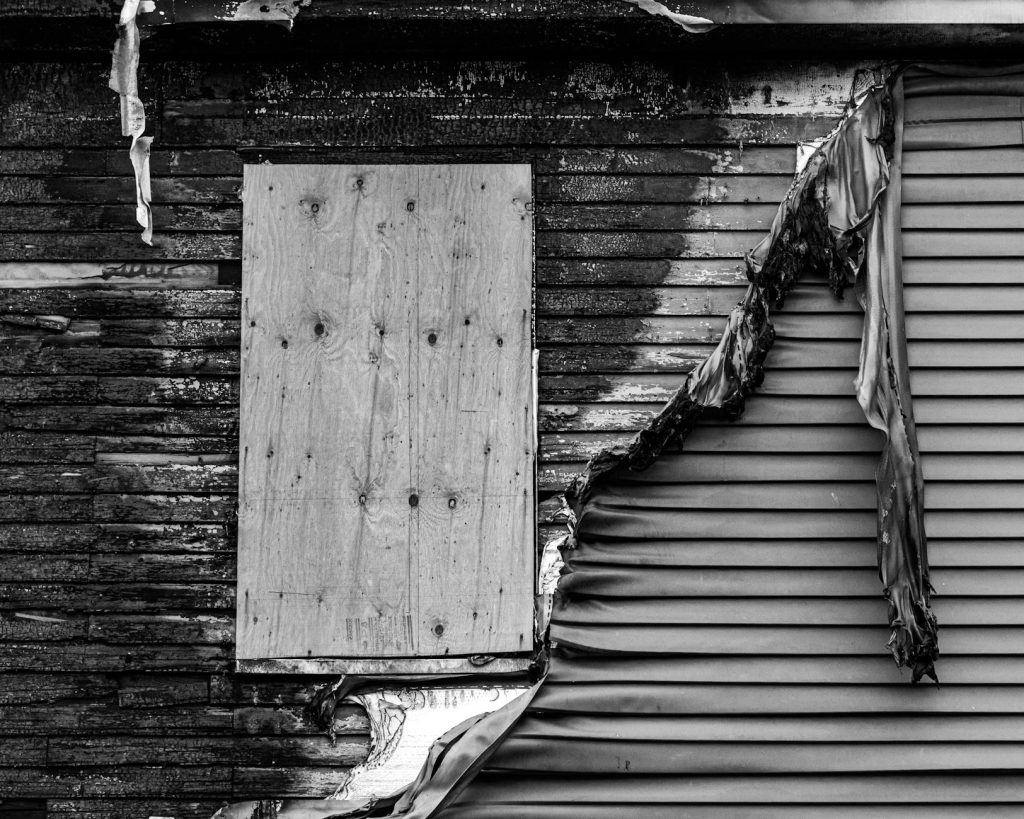
Why New Orleans Siding Takes Such a Beating
Quick Answer: Louisiana’s mix of high humidity, frequent rain, and storm-driven wind forces moisture into the smallest gaps in your siding, where it causes rot, warping, mold, and corroded fasteners over time. The right material, paired with proper flashing and house wrap, keeps that water out. Regular inspections catch the early signs before they turn into a full wall replacement.
If you own a home in the New Orleans metro, you already know the air feels thick most of the year. That same humidity that fogs your windows works on your siding too. Day after day, moisture finds seams, nail holes, and cracks, then sits there in the heat. Add a few inches of rain from a passing storm and wind that drives water sideways into your walls, and you have the perfect setup for slow, hidden damage.
At a Glance
- New Orleans averages roughly 60 inches of rain a year, well above the national average.
- Summer humidity often sits above 70 percent for months, slowing how fast walls dry out.
- Wind-driven rain from tropical systems pushes water behind siding that sheds normal rainfall just fine.
- Fiber cement, brick, and quality vinyl handle Gulf Coast moisture better than untreated wood.
- Flashing, house wrap, and ventilation prevent more rot than the siding surface itself.
- Turnkey Siding installs all 8 siding types in-house, so the same crew handles your moisture barrier and trim.
How Moisture Attacks Each Part of Your Wall
Water doesn’t damage siding in one dramatic moment. It works slowly, and it attacks in a few predictable ways once it gets past the surface.
Rot and soft spots
Trapped moisture feeds wood rot. The sheathing behind your siding, the trim, and any wood siding boards start to soften, darken, and crumble. By the time you can press a thumb into a board, the damage has usually spread.
Warping and swelling
Wood and some composite boards absorb water, swell, then dry and shrink. Repeat that cycle through a Louisiana summer and your boards cup, bow, and pull away from the wall. Vinyl can warp too, though usually from heat rather than water alone.
Mold and mildew
Warm, damp, shaded walls are exactly what mold and mildew want. You’ll see it first as green or black streaks, often on the north side of the house where the sun never fully dries things out. Left alone, it can creep behind the siding and into your wall cavity.
Fastener corrosion
Constant dampness rusts nails and screws. As fasteners corrode, they lose their grip, and panels start to loosen, rattle in the wind, or leave rust streaks bleeding down the wall.
How Different Siding Materials Hold Up to Humidity
No siding is fully waterproof on its own, but some materials fight moisture far better than others. Here’s how the 8 types we install compare in a wet, humid climate.
- Fiber cement: One of the best choices for the Gulf Coast. It won’t rot, resists swelling, and holds paint well in humidity. See our breakdown of fiber cement siding for New Orleans homes for the full picture.
- Brick: Extremely durable and moisture-tolerant. Water can still reach the wall behind it, so the drainage gap and flashing behind brick matter a lot.
- Concrete: Dense and rot-proof, a strong performer in wet weather when sealed and installed correctly.
- Vinyl: Doesn’t rot or absorb water, which makes it a reliable, low-cost option here. Proper overlap and weep holes let trapped water escape.
- Insulated vinyl: Same moisture resistance as standard vinyl with added backing, though the backing must stay dry to keep its value.
- Metal: Sheds water well and resists rot. The watch point is corrosion, so coatings and stainless or coated fasteners earn their keep near the coast.
- Stucco: Looks great and lasts, but it depends heavily on a flawless moisture barrier behind it. Poor installation traps water and causes hidden rot.
- Wood: The most natural look and the most maintenance. In Louisiana, wood needs sealing, painting, and a close eye to fight rot and swelling.
Installation Is Where Most Damage Starts
Here’s the part most homeowners never hear: the siding material rarely fails first. The water barrier behind it does. A premium fiber cement wall installed over sloppy flashing will still rot. Cheap vinyl installed correctly can outlast it.
Flashing
Flashing is the metal or membrane that directs water away from windows, doors, rooflines, and corners. Miss a piece, lap it the wrong way, or skip a kickout flashing near the roof, and water funnels straight into your wall. This is the single most common source of hidden moisture damage we find.
House wrap and weather barrier
House wrap is the layer between your sheathing and siding. It blocks bulk water while letting trapped vapor escape, which matters in a humid climate where walls need to dry both directions. Torn, gapped, or missing wrap leaves your sheathing exposed every time water gets behind a panel.
Ventilation and drainage
Walls need a way to breathe and drain. A small drainage gap behind certain sidings, working weep holes in vinyl, and good soffit ventilation all help moisture leave instead of sitting against your home. When we install, we treat the whole wall system as one job, not just the visible panels. No subcontracting means one crew owns the barrier, the flashing, and the finish.
Signs of Moisture Damage to Watch For
Catching water damage early saves you thousands. Walk your home a couple of times a year and look for these red flags.
- Bubbling, peeling, or blistering paint on siding or trim
- Soft, spongy, or crumbling boards when you press on them
- Dark streaks, green patches, or fuzzy growth, especially on shaded walls
- A musty, earthy smell near interior walls or in closets on exterior walls
- Rust stains bleeding down from fasteners
- Gaps, cracks, or panels pulling away from the wall
- Peeling wallpaper or stained drywall on the inside of an exterior wall
If you spot any of these, it’s worth checking what’s happening out of sight. Our guide to signs of water damage behind siding walks through what each clue usually means.
How to Prevent Moisture Damage on a Gulf Coast Home
You can’t change the weather, but you can build and maintain a wall that handles it. A little routine care goes a long way in this climate.
- Inspect twice a year. Once before hurricane season and once after. Look low, look high, and check around every window and door.
- Keep gutters clear. Clogged gutters dump water down your walls. Clean them and make sure downspouts carry water away from the foundation.
- Re-caulk gaps. Seal cracks around trim, windows, and penetrations before they let water in. Caulk is cheap; rot is not.
- Wash off mildew. Gently clean green and black growth before it digs in. A soft wash once a year keeps shaded walls healthy.
- Trim back plants. Bushes and vines touching the wall hold moisture against it and block drying airflow.
- Repaint on schedule. Fresh paint or sealant on wood and fiber cement is your first line of defense against humidity.
- Fix small problems fast. A loose panel or cracked board is a quick repair today and an expensive wall rebuild if you wait.
Frequently Asked Questions
Does humidity alone damage siding, or does it take rain?
Both play a part. Heavy rain and wind-driven water cause the fastest damage, but constant high humidity keeps walls from drying out, which feeds rot, mold, and mildew over time. In New Orleans, the two work together year-round.
Which siding lasts longest in Louisiana’s climate?
Fiber cement, brick, and concrete tend to hold up best against moisture and heat. Quality vinyl is a strong value pick because it won’t rot. Wood looks beautiful but needs the most upkeep to survive the humidity here.
How much does it cost to fix moisture-damaged siding?
It depends on how far the water spread. A few replaced boards and fresh caulk land on the low end, while rotted sheathing and re-siding a wall section run much higher. Catching it early always costs less, which is why yearly inspections pay off.
Can you side a home so water never gets behind it?
No wall is perfectly sealed, and that’s by design. A good system assumes some water gets in, then drains and dries it out through flashing, house wrap, weep holes, and ventilation. The goal is managing moisture, not pretending it never happens.
Do you work outside the city of New Orleans?
Yes. Along with the New Orleans metro, we serve Baton Rouge, Covington, Gretna, Hammond, Harahan, Kenner, LaPlace, Madisonville, Mandeville, Metairie, River Ridge, Slidell, and St. Rose. You can see the full list on our service areas page.
Protect Your Home From Louisiana Moisture
Gulf Coast weather never lets up, so your siding shouldn’t either. Whether you’re seeing the first signs of water damage or you just want a wall built to handle the humidity, Turnkey Siding can help. We’re dual-licensed for residential and commercial work, we install all 8 siding types in-house, and we never subcontract your project out.
Call us at 504-882-9704 or request a free estimate today, and let’s keep your home dry for the long haul.
Related siding services: Fiber Cement Siding in New Orleans · Vinyl Siding