Written by Turnkey Siding
Key Takeaways
- Vinyl siding lasts 20-30 years in Louisiana versus 40+ years in drier climates due to UV and heat stress.
- Fiber cement lasts 30-50 years with proper paint maintenance every 10-15 years.
- Wood siding lasts 10-20 years in Louisiana without intensive maintenance, well below the national average.
- Brick and concrete block are the longest-lasting options at 50-100+ years with minimal required upkeep.
- Annual inspections after hurricane season extend the lifespan of any siding material in Southeast Louisiana.
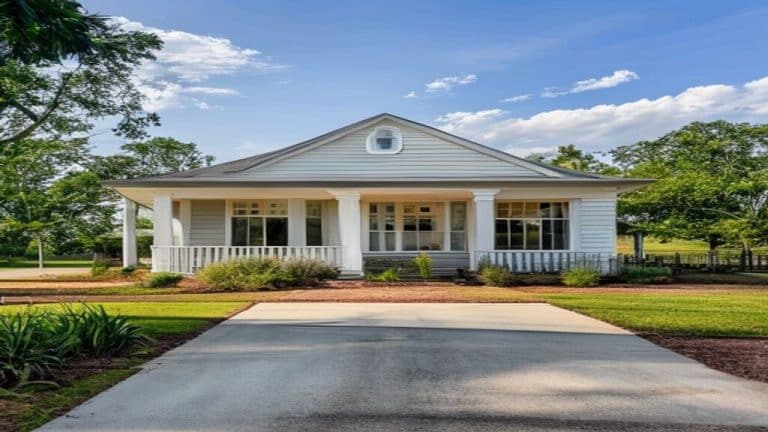
How Long Does Siding Last in New Orleans? (By Material)
Quick Answer: Siding in New Orleans lasts 15 to 100 years depending on the material, but Louisiana’s heat, humidity, and hurricane seasons shorten those numbers compared to drier climates. Wood is the most variable. Brick and metal have the longest service life. Fiber cement is the best balance of lifespan and cost for most homeowners.
Why Siding Doesn’t Last as Long Here as It Does Elsewhere
National lifespan estimates for siding materials are based on average conditions across the US. New Orleans is not average conditions.
The combination working against siding here includes sustained high humidity, UV intensity from June through October, heat cycling between summer extremes and winter cold snaps, driving rain and wind from tropical storms, and a biological load (mold, algae, Formosan termites) that simply doesn’t exist at the same scale in most other markets.
Add in the fact that major storms can accelerate wear by years in a single event, and you get a market where siding lifespans run shorter than the national guides suggest.
This breakdown gives you real numbers for New Orleans conditions, the factors that cut life short on each material, and the signs that a siding replacement is coming up.
Key topics:
- Lifespan by material in Louisiana conditions
- What shortens siding life faster than age
- Signs your siding is approaching end of life
- What to prioritize when choosing a replacement material
At a Glance
| Material | Louisiana Lifespan | Key Condition |
|---|---|---|
| Brick veneer | 50-100 years | Mortar maintenance required |
| Metal (aluminum) | 40-70 years | Won’t rust; low upkeep |
| Metal (steel) | 30-50 years | Corrodes if the coating is breached |
| Fiber cement | 30-50 years | Needs repainting every 10-15 years |
| Stucco | 30-50 years | Cracks must be addressed promptly |
| Vinyl (premium) | 25-40 years | Thicker gauge lasts longer |
| Vinyl (builder grade) | 15-25 years | Prone to UV brittleness |
| Wood | 15-40 years | Most variable; maintenance dependent |
Fiber Cement: 30 to 50 Years
Fiber cement, including James Hardie and similar products, is the most common re-siding material in New Orleans for good reason. It handles the climate well.
The cement-and-cellulose composite doesn’t rot, doesn’t feed termites, and holds paint better than wood. The big variable in lifespan is the repainting schedule. Factory-primed fiber cement needs a finish coat within a specified window after installation, then repainting on a 10-to-15-year cycle to maintain the paint film that keeps moisture out of the substrate.
When that painting schedule slips, the substrate starts absorbing moisture at joints and cut edges. That leads to swelling, cracking, and eventually delamination. Fiber cement that’s properly maintained and repainted will routinely reach the 40-to-50-year end of its range. Neglected fiber cement fails much earlier.
Cut end sealing at installation is also non-negotiable. Any field-cut edge needs primer applied before the board goes up. This is where a lot of premature fiber cement failure starts: untreated cut ends soaking up moisture for years before visible failure shows on the surface.
Vinyl: 15 to 40 Years
The range on vinyl is wide because product quality varies more than any other siding category.
Builder-grade vinyl is thin, sometimes as low as .040 inches. It becomes brittle under UV exposure faster, is more susceptible to impact damage, and in South Louisiana’s heat, cheap vinyl can warp or buckle if installed with insufficient expansion clearance. In warm-season sun on a south- or west-facing wall, surface temperatures on dark vinyl siding can exceed 150 degrees Fahrenheit. That punishes low-gauge material.
Premium vinyl, .046 inches and above with insulated backing, performs substantially better. It holds color longer, resists impact and brittleness, and the thermal backing reduces the heat cycling that stresses the panel. Premium vinyl in Louisiana can reach the 35-to-40-year range without much trouble.
The other lifespan variable with vinyl: it can’t be painted when the color fades. When you’re done with vinyl’s original finish, you’re either cleaning it or replacing it.
Metal (Aluminum and Steel): 30 to 70 Years
Metal siding lifespan in Louisiana depends heavily on which metal you choose, aluminum or steel, and how well its protective coating holds up.
Aluminum doesn’t rust, which makes it the lower-maintenance pick in a climate this humid. With a factory PVDF coating, aluminum panels can look and perform well for 40 to 70 years with minimal maintenance.
Steel is heavier, more rigid, and typically less expensive per panel, but it corrodes when the coating fails. In our constant humidity, a coating breached by impact or improper installation leaves the steel exposed to moisture, and rust can follow. Steel is still a reasonable call for many commercial and industrial properties. When long-term upkeep matters most, aluminum is the durable choice.
Wood: 15 to 40 Years
Wood has the widest lifespan range of any siding material, and that spread is almost entirely a function of maintenance. A properly installed cedar siding job on a New Orleans home that gets repainted on a 5-to-7-year schedule can last 40-plus years. The same cedar left unpainted for 15 years, in a climate with Formosan termite pressure and seasonal moisture extremes, can fail catastrophically.
Species selection matters too. Cedar and old-growth cypress outperform untreated pine or fir in this climate by a significant margin.
Wood is also the only common siding material where biological damage, not just weather, drives failure. Termite activity, wood-rotting fungi in chronically damp conditions, and algae growth that retains moisture against the surface all accelerate failure independent of the paint schedule.
Stucco: 30 to 50 Years
Stucco performs well in Louisiana when applied correctly and inspected regularly. The failure mode is specific: cracking. Stucco develops hairline cracks over time from thermal cycling, and in this climate those cracks become water entry points. Water behind stucco in a high-humidity environment creates conditions for mold and rot in the framing.
Regular inspection and prompt crack repair, typically every 5 to 10 years, keeps stucco performing for decades. Stucco that goes years without inspection and crack sealing can develop serious moisture intrusion issues that aren’t visible from the outside until remediation is already expensive.
Brick Veneer: 50 to 100 Years
Brick is the most durable common exterior cladding material. The brick itself rarely fails. Mortar joints do. Over decades, mortar in Louisiana’s climate weathers, cracks, and eventually requires repointing. Ignored mortar deterioration lets water infiltrate the veneer cavity and reach the structure behind.
Repointing every 20 to 25 years keeps a brick veneer exterior performing for generations. This is less frequent maintenance than most other materials require, which is part of what makes brick the premium long-term choice when the budget supports it.
What Shortens Siding Life Faster Than Normal Aging
Improper installation is the single biggest factor. Missing or improperly lapped moisture barriers, insufficient fastening patterns, skipped back-priming on wood and fiber cement, and lack of expansion clearance on vinyl all accelerate failure by years.
Hurricane damage that isn’t repaired promptly compounds fast. A cracked panel or breached sealant joint after a storm lets water work behind the cladding for the next several seasons before visible damage shows. By then, the sheathing and framing may already be compromised.
Skipped maintenance on any material that requires periodic repainting, resealing, or repointing is the second-largest factor. Almost every siding material has a maintenance interval. Ignoring it cuts life short and turns a routine repaint into a full replacement, where tear-off, sheathing repair, and new material drive the bill.
Signs Your Siding Is Near End of Life
Warping, buckling, or cupping boards. Repeated paint failure in the same areas. Soft spots when you press firmly on boards at the base of walls. Visible cracks in stucco that you’ve ignored for several years. Dark moisture staining around windows or trim that keeps coming back after cleaning. Visible gaps at board joints or trim transitions.
Any of these on more than a small isolated area is worth having assessed. Localized damage is often repairable. Widespread failure across the building envelope is a replacement conversation.
FAQ
How do I tell if my siding needs replacing or just repainting? Cosmetic wear, fading, and peeling paint are maintenance items. Structural failure (soft spots, widespread cracking, warping, active moisture staining at seams) means replacement. When in doubt, have a contractor walk the perimeter with you.
Does Louisiana’s hurricane season dramatically shorten siding lifespan? Not by itself, but storm damage that isn’t repaired does. Wind-driven debris creates impact damage and breaches coatings. Driving rain exploits any unsealed joint. A post-storm inspection and prompt repairs prevent what could be a 2-year lifespan reduction from compounding over several seasons.
Which siding lasts longest per dollar in New Orleans? Aluminum metal siding on a cost-per-year-of-service basis, followed closely by fiber cement. Brick has the longest absolute lifespan but higher upfront cost. Vinyl is the lowest first cost but also the shortest service life in Louisiana’s climate if you’re comparing apples to apples on material quality.
Can I extend my siding’s lifespan with regular cleaning? Yes. Annual cleaning removes mold, algae, and dirt accumulation that holds moisture against the surface. Power washing at low pressure or soft washing with a diluted bleach solution keeps organic growth from accelerating surface deterioration. Don’t skip this, especially on north- and east-facing walls that stay damp longer.
How often should I inspect my siding in Louisiana? After every tropical storm event and once per year otherwise, preferably in the fall when you can assess the full storm season’s impact before winter moisture sets in.
About Turnkey Siding: Turnkey Siding provides siding inspection, repair, and full replacement throughout New Orleans and Southeast Louisiana, specializing in helping homeowners understand what they have, how long it will last, and what the right replacement material is for their specific situation.
Ready to find out where your siding stands? Turnkey Siding helps homeowners make smart exterior decisions backed by 20-plus years of Gulf Coast installation experience.
Contact us today at 504-882-9704 to schedule your free on-site estimate.
Disclaimer: Siding work involves safety risks; consult licensed professionals for work beyond ground-level visual checks. Costs and specifications provided are estimates based on typical New Orleans market conditions and may vary based on specific project requirements and current material pricing.
Sources
- James Hardie Industries: fiber cement siding lifespan data and Gulf Coast performance specifications.
- Insurance Institute for Business & Home Safety (IBHS): material durability and lifespan comparisons for siding products in hurricane-prone regions.
- Brick Industry Association: brick and masonry veneer lifespan, maintenance data, and structural performance standards.
Related siding services: Fiber Cement Siding in New Orleans · Vinyl Siding · Metal Siding