Written by Turnkey Siding
Key Takeaways
- Rental siding decisions run on maintenance labor, turnover downtime, and insurance, not curb appeal alone.
- Low-maintenance materials usually beat cheap materials across a hold period, because your time and trip charges are real costs.
- Impact resistance and correct wind-rated fastening reduce claim frequency, which matters more on a portfolio than on one house.
- Doing several units at once lowers per-unit cost through shared mobilization and material orders.
- Turnkey Siding works with owners and property managers across the metro. Call 504-882-9704.
A Different Set of Priorities
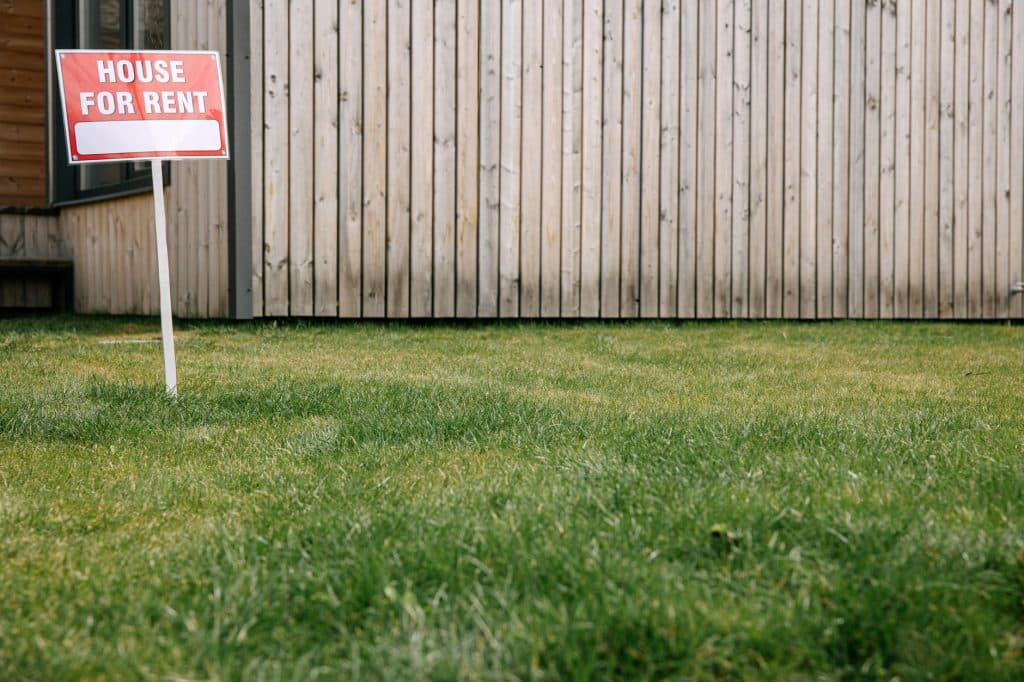
Quick Answer: On an owner-occupied home, siding is partly an aesthetic decision. On a rental it’s an operating expense. The question isn’t which material you like, it’s which one produces the fewest maintenance calls, the least turnover downtime, and the most predictable insurance outcome over your hold period. Those criteria often point to a different material than a homeowner would pick.
We work on single-family rentals, doubles, and small multifamily across New Orleans, Gretna, Marrero, and Kenner. The owners who do best treat the exterior as infrastructure.
Maintenance Labor Is the Real Cost
A material that needs periodic painting doesn’t just cost paint. It costs scheduling, access coordination with tenants, and your attention. Multiply that across units and the cheapest material at purchase is frequently the most expensive to own.
This is where vinyl earns its place in rental portfolios. It doesn’t need repainting, it tolerates our humidity, individual damaged panels can be swapped without touching the rest of the wall, and it’s the least expensive to install. Fiber cement costs more up front and holds up extremely well, with a repaint obligation eventually. Our comparison of fiber cement versus vinyl covers the tradeoffs in detail.
Wood is the hardest to justify on a rental unless a historic district requires it, simply because of the upkeep cycle described in wood siding pros and cons in Louisiana.
Repairability Matters More Than You Think
Tenant-occupied properties take incidental damage. Grills, moving furniture, lawn equipment, and vehicles all leave marks. On a rental, the important question is whether one damaged section can be fixed in a single short visit without scaffolding the whole elevation or a color-match problem.
Practical step: keep a small stock of leftover panels from the original installation in each property’s supply. It removes the discontinued-color problem entirely, and it turns a multi-week sourcing exercise into an afternoon. Our siding repair guide covers what’s typically fixable in place.
Storm Exposure and Insurance
Carrying multiple properties in this region means storm exposure is a portfolio-level issue, not a one-off. Correct wind-rated fastening is the single most useful thing you can specify, and it’s a code requirement rather than an upgrade. Our post on wind-rated siding and Jefferson Parish codes covers what inspectors look for.
Keep dated photos of each property’s exterior after every siding project. When a claim happens, documented pre-storm condition is what separates a smooth settlement from a long argument about pre-existing wear. The process is covered in our storm claim guide.
Scheduling Around Tenants
Siding is exterior work, which is a genuine advantage. Crews rarely need interior access, and units stay occupied throughout. Still worth handling:
- Give written notice consistent with your lease and Louisiana requirements.
- Arrange parking, since crews need staging space and tenants need somewhere to put cars.
- Tell tenants about noise hours and the general timeline.
- Ask for patio and balcony items to be cleared from exterior walls.
Turnover windows are the smoothest time to work if your schedule allows it.
Doing Several Properties at Once
If you own multiple units in the same area, bundling them into one project usually lowers per-unit cost. Mobilization gets shared, material orders get consolidated, and the crew stays productive between properties. It also gives you a consistent exterior standard across the portfolio, which simplifies future repairs and stocking.
Tell us up front if that’s the plan so we can scope and sequence it as one job rather than several. See the full range of siding services we install.
Frequently Asked Questions
What is the most cost-effective siding for a rental in New Orleans?
For most portfolios, quality vinyl gives the best balance of install cost, no repainting, humidity tolerance, and panel-level repairability. Fiber cement makes sense where durability or appearance justifies the higher up-front spend.
Can I deduct siding replacement?
Tax treatment differs between a repair and a capital improvement, and the distinction matters. Talk to your accountant about your specific situation rather than relying on general guidance.
Do I need permits for rental siding work?
The same requirements apply as on owner-occupied homes. See our permit guide for New Orleans and Jefferson Parish.
Will new siding help with insurance premiums?
Carriers weigh exterior condition and construction differently, so ask your agent whether an upgrade affects your rating before assuming it will.
Talk Through the Portfolio
Tell us how long you plan to hold, how many units are involved, and what maintenance has been costing. We’ll scope the work with those constraints in front of us and give you written estimates per property.
Turnkey Siding installs with our own crews across the New Orleans metro and Northshore. Call 504-882-9704 or request an estimate.