Written by Turnkey Siding
Key Takeaways
- New Orleans humidity, shade, and poor airflow give mold and mildew the damp, dim conditions they need, especially on north-facing walls.
- You can clean mold and mildew off siding safely with a gentle soft-wash approach: a mild detergent solution, a soft brush, and a steady rinse from a garden hose.
- Skip high-pressure washing. Too much pressure forces water behind panels and creates the exact moisture problem you’re trying to avoid.
- Prevention comes down to airflow and dryness: trim back vegetation, keep gutters clear, and fix any moisture source close to the wall.
- Green or black growth that keeps coming back or spreading can signal a deeper moisture issue behind the siding, not just a surface stain.
The Short Version
Quick Answer: To clean mold and mildew off siding in New Orleans, wash the wall with a mild detergent solution and a soft brush, working from the bottom up, then rinse from the top down with a garden hose. Keep water pressure low so you don’t drive moisture behind the panels. Then cut off the conditions that feed the growth: trim plants away from the wall, clear your gutters, and improve airflow. If the same spots turn green or black again within weeks, that’s a sign moisture is getting behind the siding and the wall needs a closer look.
Why Mold and Mildew Love New Orleans Siding
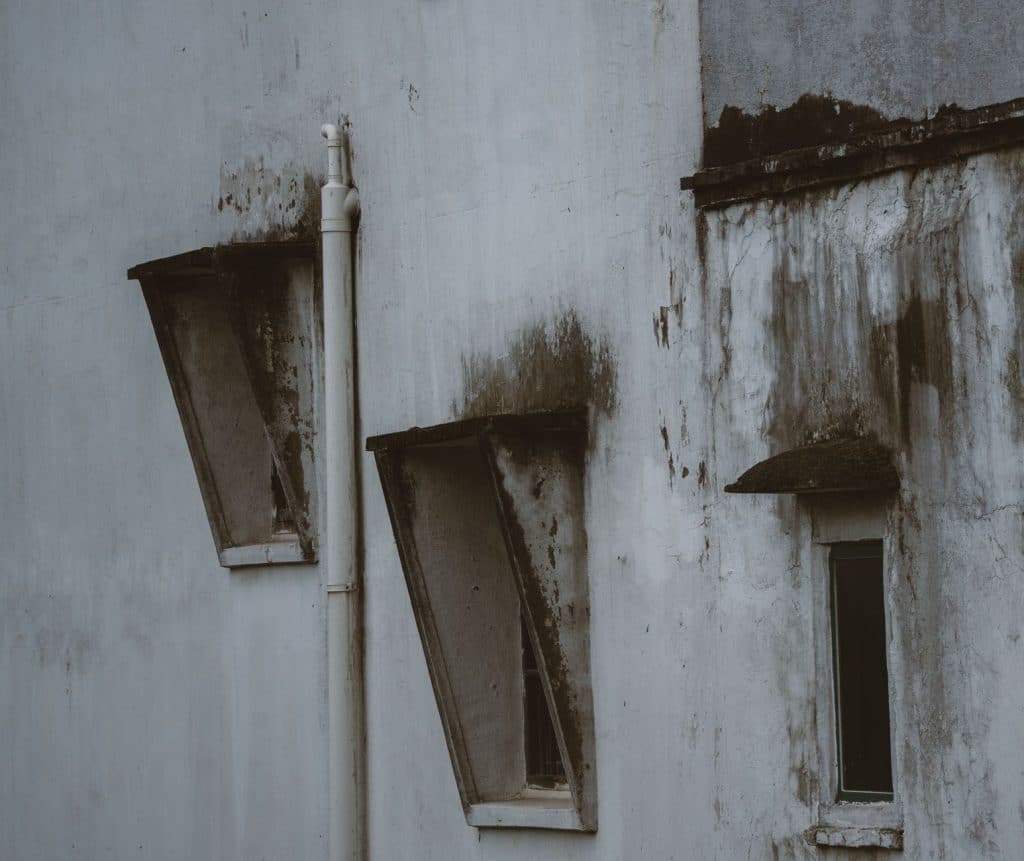
Mold and mildew need three things to take hold: moisture, shade, and something to grow on. New Orleans hands them all three. Our air stays heavy with humidity for most of the year, walls dry slowly, and wind-driven rain keeps siding damp long after a storm passes. The result is a thin film of green or black growth that spreads across the surface, dulls your color, and gives a well-kept home a neglected look.
The pattern is rarely random. A few spots collect the worst of it:
- North-facing walls. They get the least direct sun, so they stay damp the longest. Mildew on siding almost always shows up here first.
- Shaded sides under trees or next to fences. Overhanging branches and tight side-yards block both sun and airflow.
- Low areas near the ground. Splashback from beds, mulch, and sprinklers keeps the bottom courses wet.
- Tight spots with poor airflow. Where two structures sit close together, moisture lingers instead of drying.
None of this is about salt air. The Gulf sits 40 to 50 miles out and Lake Pontchartrain is brackish, so the real driver here is plain humidity plus shade. Knowing that helps you fight the actual problem instead of chasing the wrong fix.
How to Clean Mold and Mildew Off Siding Safely
The goal is to lift the growth without forcing water into places it shouldn’t go. A gentle soft-wash beats brute force every time. Before you start, close nearby windows, move patio furniture clear, and pick a cool, overcast stretch so your cleaning solution doesn’t dry on the wall before you can rinse it.
A Step-by-Step Soft-Wash
- Mix a mild detergent solution in a bucket. A gentle cleaner made for exterior surfaces works well; harsh, undiluted chemicals can strip finish and stress plants below.
- Wet the plants and shrubs along the base of the wall first, then cover them if you can. Rinsing them down keeps any runoff from settling on the leaves.
- Work from the bottom of the wall upward, applying the solution to a small section at a time so it stays wet while you scrub.
- Scrub gently with a soft-bristle brush on a pole. Use light, even strokes. Let the cleaner do the work instead of grinding at the panel.
- Rinse from the top down with a regular garden hose so the dirty water sheets away cleanly and you don’t leave streaks.
- Check the shaded, north-facing areas a second time. Stubborn mildew on siding often needs one more gentle pass rather than more pressure.
Mind the Material
Different siding takes cleaning differently, so adjust your touch:
- Vinyl and fiber cement handle a soft brush and detergent well; just keep the pressure low and rinse thoroughly.
- Wood needs the gentlest approach. Too much water or scrubbing raises the grain and works moisture into the boards.
- Older or painted surfaces can shed finish if you scrub hard, so test a hidden spot first.
One rule covers all 8 siding types we install: stay away from high-pressure washing. A pressure washer aimed at the wall can push water up under the panels and behind the trim, where it sits against the sheathing and feeds the very mold you’re trying to remove. We’ve seen plenty of homes where an aggressive wash created a hidden moisture problem far worse than the surface stain. If you want the full seasonal routine that keeps your whole exterior in shape, our seasonal siding maintenance checklist walks through it step by step.
Preventing Mold and Mildew From Coming Back
Cleaning treats the symptom. Prevention removes the conditions, and in our climate that means getting walls to dry faster and stay drier. A few habits make a real difference:
- Trim vegetation back. Cut shrubs, vines, and tree branches well away from the siding so sun and air can reach the wall. A foot or two of clearance changes how fast a damp wall dries.
- Improve airflow. Clear out clutter, leaning ladders, and stacked materials along the wall that trap moisture against it.
- Keep gutters clear. Clogged gutters overflow and run water straight down the siding. Clean downspouts move that water away from the house.
- Aim sprinklers away from the wall. Repeated soaking at the base keeps the bottom courses permanently damp.
- Address standing moisture sources. Dripping spigots, poor grading, and pooling near the foundation all feed growth at the base of the wall.
Heat plays a part too. Our long, hot summers stress siding, and panels that have buckled or pulled loose leave gaps where moisture collects. If you’ve noticed waviness or lifting along with the staining, read up on how Louisiana heat warps siding so you can catch both issues at once.
When Returning Growth Signals a Bigger Problem
Here’s the warning sign worth taking seriously: if you clean a section and the green or black growth returns within a few weeks, or it keeps spreading no matter how often you wash, the moisture probably isn’t only on the surface. It may be getting behind the siding and staying trapped against the wall, where it feeds mold from the inside out.
That kind of recurring growth often travels with other clues, like a musty smell, soft or spongy spots, peeling paint, or staining that bleeds out from seams and trim. When water sits behind panels in our humidity, it can reach the sheathing and framing and cause damage you can’t see from the yard. We dig into how that happens in our guide to humidity and moisture damage behind siding.
At that point, cleaning alone won’t solve it. The fix is finding where water enters and sealing the wall back up, which sometimes means pulling and replacing affected sections. Our crews handle that work directly; we never subcontract, so the same team that diagnoses the moisture path also does the siding repair in New Orleans that follows. We’re fully licensed, residential license #890459 and commercial license #3667, and we serve the metro plus Baton Rouge, Covington, Gretna, Hammond, Harahan, Kenner, LaPlace, Madisonville, Mandeville, Metairie, River Ridge, Slidell, and St. Rose.
Frequently Asked Questions
Can I use bleach to remove mildew from siding?
A diluted, mild cleaning solution can lift surface mildew, but go easy. Strong, undiluted bleach can damage finishes, harm the plants below the wall, and still won’t stop growth from returning if moisture keeps feeding it. Focus on a gentle wash plus fixing the dampness, not on a harsher chemical.
Why does mold keep coming back on the same wall?
Almost always because that wall stays damp. North-facing and shaded walls dry slowly in our humidity, so growth returns fast. If you’ve improved airflow and drainage and it still keeps coming back, moisture may be trapped behind the siding, which is worth having checked.
Is pressure washing safe for cleaning mold off siding?
We don’t recommend it. High pressure can force water behind the panels and into the wall, creating a hidden moisture problem worse than the stain on the surface. A soft brush, a mild detergent solution, and a garden hose clean the siding without driving water where it doesn’t belong.
How often should I clean mold and mildew off my siding?
In New Orleans, an annual gentle wash keeps most homes looking clean, though heavily shaded walls may need a touch-up between cleanings. If you’re cleaning the same spot every few weeks, that’s your cue to look past the surface for a moisture source.
Talk to a Local Siding Team You Can Trust
If mold and mildew keep returning on your siding, or you’re worried the staining points to moisture behind the wall, let’s take a look before it spreads. Call Turnkey Siding at 504-882-9704 or request a free estimate. Our own crews will inspect the wall, find the real moisture source, and handle the cleaning or repair the right way for New Orleans conditions.