Written by Turnkey Siding
Key Takeaways
- Board and batten siding runs vertically: wide boards with narrow strips, the battens, covering each seam for a clean, shadowed line.
- It delivers two looks at once, the modern-farmhouse style buyers love and a traditional, time-tested profile that suits older Metairie homes.
- Fiber cement is the standout choice for Jefferson Parish humidity; engineered wood and vinyl offer lighter, lower-cost board-and-batten options.
- The vertical seams shed wind-driven rain well, but flashing, sealing, and a quality install decide how it holds up against Gulf moisture and storms.
- Cost depends on material, home size, prep, trim detail, and whether you wrap the whole house or use it as a gable or accent-wall feature.
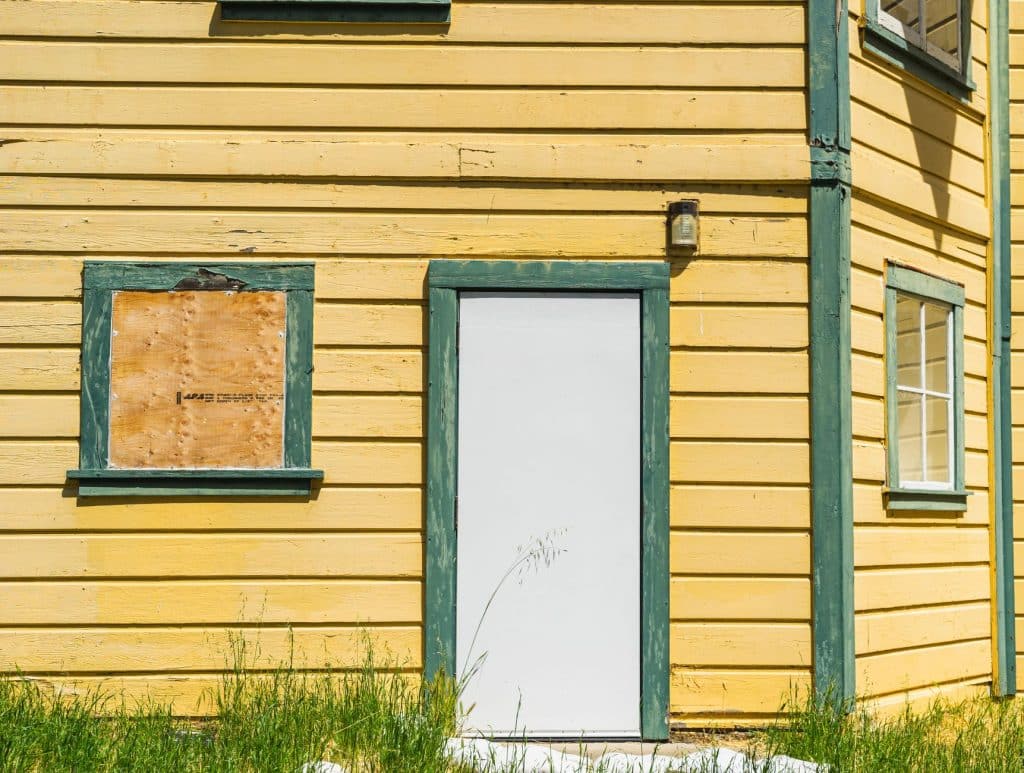
Is Board and Batten Right for a Metairie Home?
Quick Answer: Board and batten siding works well in Metairie when you pick a material built for Gulf humidity. The vertical boards and raised battens add depth and a modern-farmhouse character, and in fiber cement they stand up to the heat, moisture, and wind-driven rain that define Jefferson Parish weather. Use it across the whole house for a bold statement, or save it for gables and accent walls to add texture without a full re-side. The result you get depends less on the style and more on the material and the quality of the install.
What Board and Batten Siding Actually Is
Most siding in the New Orleans metro runs horizontally, lap over lap. Board and batten flips that. Wide vertical boards cover the wall, and slim vertical strips, the battens, sit over every seam where two boards meet. That alternating wide-narrow rhythm casts soft shadow lines down the wall and gives a home real visual height.
The look has deep roots. Barns and farmhouses used vertical board and batten for more than a century because it was simple to build and easy to repair. Today it reads as both classic and current, which is why it shows up on new builds and renovations alike across Metairie, Kenner, and River Ridge.
The Two Looks It Gives
Vertical board and batten leans in two directions depending on how you finish it:
- Modern farmhouse. Crisp white or soft greige boards, dark window trim, and a black metal roof accent. This is the style flooding home-design feeds, and it suits newer construction and full renovations.
- Traditional and timeless. Muted earth tones, natural wood looks, and tighter batten spacing fit older cottages and raised homes without making them look out of period.
Batten spacing matters more than people expect. Wider gaps feel bold and contemporary; narrower gaps feel refined and historic. A good plan sets that spacing before the first board goes up.
Material Options for the Board and Batten Profile
The profile is a style, not a material. You can get the board-and-batten look in several products, and in our climate the choice carries weight. For a full side-by-side of every option, see our guide to the best siding materials for Louisiana homes.
Fiber Cement: The Durable Pick Here
Fiber cement is the material we point Metairie homeowners toward most for board and batten. It resists moisture, won’t feed mold the way untreated wood can, holds paint for years, and shrugs off the heat and humidity swings of a Jefferson Parish summer. It’s also fire-resistant and stable, so it doesn’t warp or swell when the air sits thick and wet. If you want to weigh it directly against a budget option, our breakdown of fiber cement versus vinyl siding covers the trade-offs.
Engineered Wood and Vinyl Alternatives
Two other routes get you the same vertical look:
- Engineered wood. Lighter than fiber cement, treated against moisture and pests, and it carries a warm, natural grain. It costs less to handle and install, though it needs a careful seal and paint schedule to last in humid air.
- Vinyl board and batten. The lowest-maintenance and lowest-cost path. Vinyl panels mimic the wide-board-and-batten line, never need repainting, and resist moisture by default. The shadow lines aren’t as deep as fiber cement or real wood, but for accent walls and budget projects it earns its place.
Turnkey Siding installs all 8 siding types, brick, concrete, fiber cement, insulated, metal, stucco, vinyl, and wood, so we’re not steering you toward one product. We match the material to your home, your budget, and how the wall faces the weather.
How It Holds Up Against Metairie Weather
The real test in this area isn’t cold. It’s humidity, heat, and the wind-driven rain that comes with storm season. The Gulf sits 40 to 50 miles out and Lake Pontchartrain is brackish, so the day-to-day driver on your walls is moisture in the air, not salt spray.
Vertical board and batten has a built-in advantage here: water hits the wall and runs straight down the boards and battens rather than pooling in horizontal laps. That said, the seams and the bottom edge are where trouble starts if the work is rushed. Proper flashing at windows and trim, sealed terminations, and a solid water-resistant barrier behind the panels are what keep moisture out over the long haul. The material gives you the potential; the install delivers it.
For storm performance, fiber cement and quality vinyl both rate well against wind, and impact resistance varies by product line. If your existing siding already shows soft spots, lifting seams, or moisture damage, start with a look at your repair options in our New Orleans siding repair guide before committing to a full replacement.
Maintenance Over Time
Upkeep tracks with the material you choose:
- Fiber cement: Rinse it once or twice a year, repaint on a long cycle, and check caulk lines at trim and seams.
- Engineered wood: Similar rinsing, with closer attention to the paint and seal schedule since wood-based products work harder in humidity.
- Vinyl: A garden-hose rinse handles most of it; no painting required.
Across all three, the battens themselves are easy to inspect. A quick walk-around after a big storm tells you fast whether anything lifted or cracked.
What Affects the Cost
We won’t quote a number sight unseen, because too many factors move it. The honest answer is that board and batten cost in Metairie comes down to a handful of variables:
- Material. Vinyl sits at the low end, engineered wood in the middle, fiber cement higher for the durability you’re paying for.
- Home size and stories. More wall area and added height both raise labor.
- Prep and tear-off. Removing old siding and repairing any moisture damage underneath adds to the scope.
- Trim and detail. Batten spacing, corner treatments, and window wraps all factor in.
- Coverage. A full-home wrap costs more than a gable or accent feature, which brings us to a smart middle path.
Accent Use vs Full-Home
You don’t have to commit the whole house. Board and batten makes a strong accent: a single gable, a front porch wall, a dormer, or an entry section. Pairing it with horizontal lap or a masonry base gives you texture and a custom look at a fraction of a full re-side. Homeowners deciding between materials and masonry can also read our take on brick versus siding in New Orleans to see how board and batten plays against a brick base.
Frequently Asked Questions
Is board and batten siding good for humid climates like Metairie?
Yes, when you choose the right material. Fiber cement board and batten resists moisture and mold and won’t warp in humid air, which makes it a strong fit for Jefferson Parish. Vinyl also handles humidity well. The vertical seams help rain run off, and a proper install with flashing and sealing keeps moisture out long term.
Can I use board and batten on just part of my house?
Absolutely a common choice. Many Metairie homeowners use board and batten on gables, dormers, a porch wall, or an accent section and pair it with horizontal siding or a brick base. It adds texture and a modern-farmhouse touch without the cost of re-siding the entire home.
What’s the most durable board and batten material for this area?
Fiber cement leads for durability in our climate. It resists moisture, heat, fire, and warping, and it holds paint for years. Engineered wood is lighter and warmer in look but needs more upkeep, and vinyl is the lowest-maintenance budget option with shallower shadow lines.
How long does board and batten siding last in New Orleans weather?
Lifespan depends on material and install quality more than anything. Fiber cement and quality vinyl both offer long service lives when flashed, sealed, and maintained on schedule. The faster path to a short lifespan is a rushed install that lets moisture reach the seams or the wall behind the panels.
Get a Free Board and Batten Estimate in Metairie
Turnkey Siding is a fully licensed siding company, residential license #890459 and commercial license #3667, serving Metairie and the wider New Orleans metro, including Kenner, Harahan, River Ridge, Gretna, Slidell, Mandeville, Covington, and Baton Rouge. We run our own crews and never subcontract, so the people who quote your board and batten project are the ones who install it. Call us at 504-882-9704 or request your free estimate and we’ll walk your home, talk through material options, and give you a real number for the look you want.